

What Are Current Montana Fishing Conditions
Fall is here and most of the rivers around the area are really starting to produce, and nearly every river is on the menu right now--from larger rivers to small freestones to spring creeks, there really isn't a bad place to fish. This is a fun time of year with a mixed bag of techniques producing. It is still a bit early for fall streamers and Blue-Winged Olive action, but the terrestrial fishing and attractor nymph fishing have really been good the last few days, but the Blue-Winged Olives and the streamer bite are going to happen any day now!
Where Should I Fish Right Now
The Yellowstone River has really improved as of late. The town stretch has been very consistent with its faster water, but the water in Paradise Valley and the lower reaches near Big Timber are seeing plenty of fish starting to move into the longer runs and seek out small dries and slowly stripped streamers.
The Upper Madison is still a very solid option right now, with opportunistic trout looking for the occasional terrestrial or flying ant but also chomping streamers on a tight line or the smaller nymph behind it. Don’t be afraid to pull some big streamers nymphing even if the trout are only eating the smaller dropper – the big bug helps move the fish, and sometimes you hit a home run. The trout are still in the deeper, heavy runs, but some fish are sliding into the shallow riffles as temps drop and traffic on the river begins to wane.
The Gallatin River has good temps and has been consistent, but the trout are spookier with the clear waters and lower flows. This is still a nice after work option and a beautiful river to spend the day wading.
Southwest Montana Fishing Reports Overview
- Very Good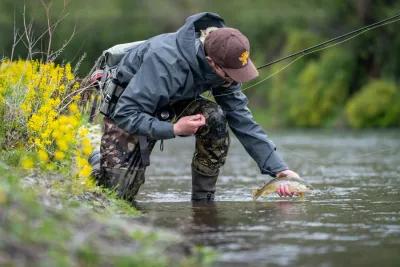
What are the current fishing conditions near Bozeman, Montana Water temperatures are declining, and even though some days are still very hot, the nights are so much longer that the prolonged cooling effect when the sun goes down is bringing temperatures into the sweet spot. Almost all fisheries...
Yellowstone River Fishing Report
- Very Good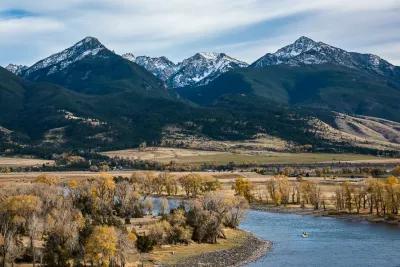
Current Conditions: A few very sporadic hatches of Blue-Winged Olives have been seen, but the river is not yet showing its best self yet for the fall season. Some trout in the Yellowstone are still looking up for grasshoppers, ants, and beetles. Dry-dropper rigs are the preferred rigs right now, but...
Upper Madison River Fishing Report
- Very Good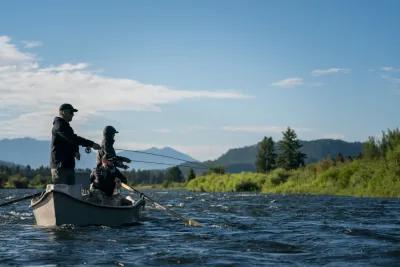
Current Conditions: It is really starting to feel like fall on the Upper Madison. Some of the cottonwoods are already starting to change colors, so it is also looking like fall. The Upper has been a consistent producer for us lately and is one of the best games around at the moment. There is no one...
Lower Madison River Fishing Report
- Good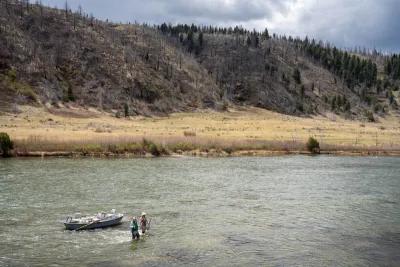
Current Conditions: The temps on the Lower Madison are dropping, and fishing has been very good. Hopper fishing is an option, although it is rarely red hot on the surface. The fish are definitely looking for big pieces of meat, including crayfish and baitfish. Stripping streamers is productive with...
Gallatin River Fishing Report
- Very Good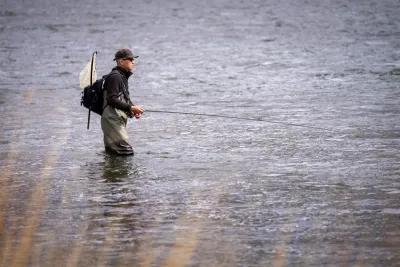
Current Conditions: The Gallatin River continues to fish well. Water temperatures are good on the lower reaches of the river, and reduced irrigation demands are resulting in more water down low. Flows are at base level in the canyon. Fishing is not just a morning game, and as temperatures drop, the...
Montana Spring Creeks Fishing Report
- Very Good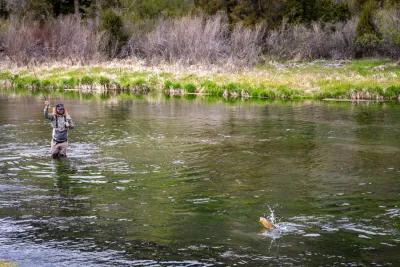
Current Conditions: The spring creeks are still a bit tough right now but are improving by the day and are always a great way to challenge yourself. Summer weed growth is dying back and the fall baetis are just starting to show up (cloud cover helps) so fishing conditions are definitely improving...
Stillwater River Fishing Report
- Fair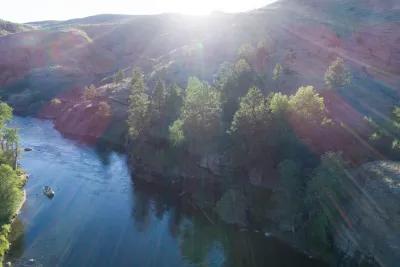
Current Conditions: The Stillwater River is a nice option right now and is producing some very good action on nymphs. The pressure has really dropped off, and the water temperatures are terrific. The river is low and bony and best wade-fished in most locations. Although smaller dries will still take...
Boulder River Fishing Report
- Good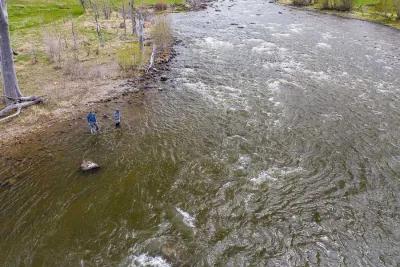
Current Conditions: The Boulder River is low and gin clear. There are a lot of trout in skinny water in tailouts, but when they go on the feed, they also move into the shallow riffles. The hopper action is improving down low, and there are still green drakes up high along with morning spruce moths...
Jefferson River Fishing Report
- Fair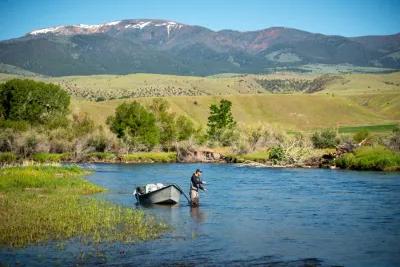
Current Conditions: Water levels and temperatures have rebounded nicely, and fishing is pretty decent on the Jefferson right now. This is a low fish count river, so don’t expect a lot of numbers and you really need to know exactly where these trout are holding or it can be a long and slow day...
East Gallatin River Fishing Report
- Good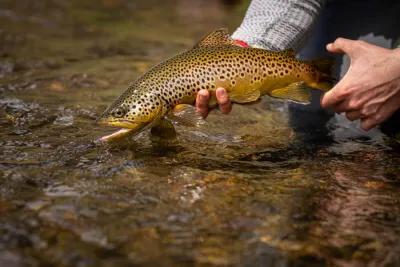
Current Conditions: The East Gallatin River near Bozeman is low and technical now. A mixed bag of late tricos, early baetis, and mahogany duns are coming off, and fishing can be good if you make a careful approach. This is more like spring creek fishing this time of year, and a reasonable skill...
Missouri River Fishing Report
- Good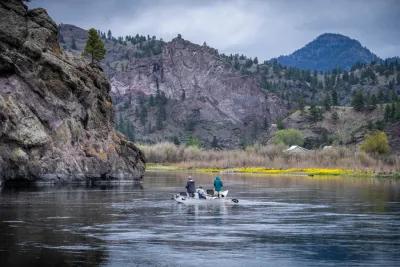
Current Conditions: The Missouri near Craig and Wolf creek is producing some good baetis dry fly action and some late terrestrial fishing. The Upper river above Canyon Ferry is improving as trout from the lake move up into the river. This is a low numbers game fishery but there are some nice trout...
Ruby River Fishing Report
- Good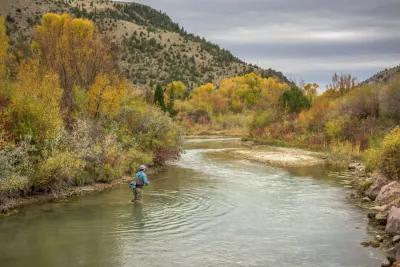
Current Conditions: The Ruby River is a very fun early autumn option. Visiting anglers really drop off in numbers, and the river doesn’t see much pressure. Browns start to become less moody, and the catch rates become a bit more predictable. Cloudy days can produce some dry fly action over early...
Montana Lakes Fishing Report
- Good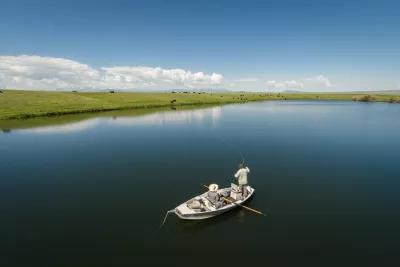
Current Conditions: Lakes are going to be hit and miss for the next month right now. On Quake and Hebgen, some spruce moths can also bring large trout to the surface, but water temps are still getting warm. There may be a few gulpers cruising very early in the morning. The Month Ahead: Hebgen and...
Small Streams Fishing Report
- Very Good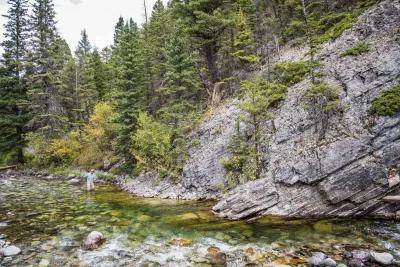
When fishing the small streams in Montana, it is always important to be aware of the Montana Stream Access Law. We are fortunate to be able to recreate and fish on miles and miles of water. If the small creeks or rivers you are looking to fish run through private property, be sure to check out...