

Fly fishing in winter is not talked about much by many Bozeman, Montana, fly fishing guides. Several reasons exist why you don't hear much about winter fly fishing in Montana. It is often too cold to fish, and the skiing at local resorts like Big Sky Resort or Bridger Bowl Ski Area is good enough to be on the slopes and not on the stream. But what about those days when the weather warms, the winds calm, and the snow isn't that good? Those are the days when local Bozeman and Big Sky, Montana, fly fishing guides and anglers go fishing. There are plenty of options for winter fly fishing near Bozeman and Big Sky, and there are definitely some tried-and-true flies to use when fly fishing for trout in winter. Here are 5 Essential Flies for Fly Fishing in Winter.
But, before we cover the best fly patterns, here is a little disclaimer about going fly fishing in winter. Compared to summer, when hatches are thick and the weather is warm, winter fly fishing is about the simple fact of getting out and going fishing. Timing is crucial--there is no need to be on the water much earlier than 10 or 11 AM, and on most days, the best timeframe for fishing action is from 1 to 4 PM. Midges are the only hatch of any significance, and they are sporadic at best. The reward of fly fishing in winter is to be on a trout stream when no one else is, and it is just you, the river, your cast, and hopefully, a few fish to the net.
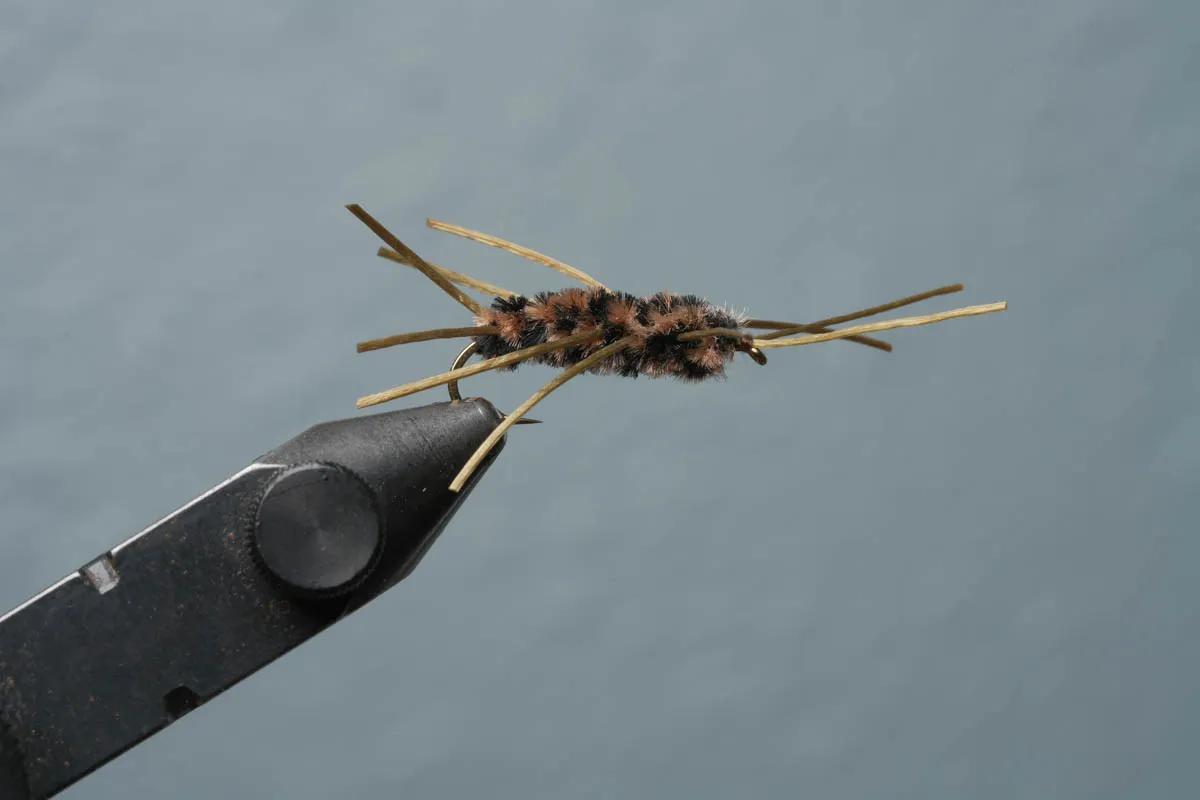
Pat's Rubberlegs/Sili-Legs Stonefly/Girdle Bug
Stoneflies are found in nearly every trout stream on the planet, and especially on the many rivers and creeks for fly fishing near Bozeman and Big Sky, Montana. In winter, stoneflies can crawl around rocks and structures, often still being swept away in the current to be gobbled up by a hungry trout. There are a lot of stonefly nymph patterns out there. For fly fishing in winter, we like the simple patterns with Chenille bodies in black or brown or mottled black-and-brown and patterns that have legs that aren't too rigid, so they fluctuate in the current. Size can vary greatly, but the most popular sizes for winter fishing in Montana are 6-12.
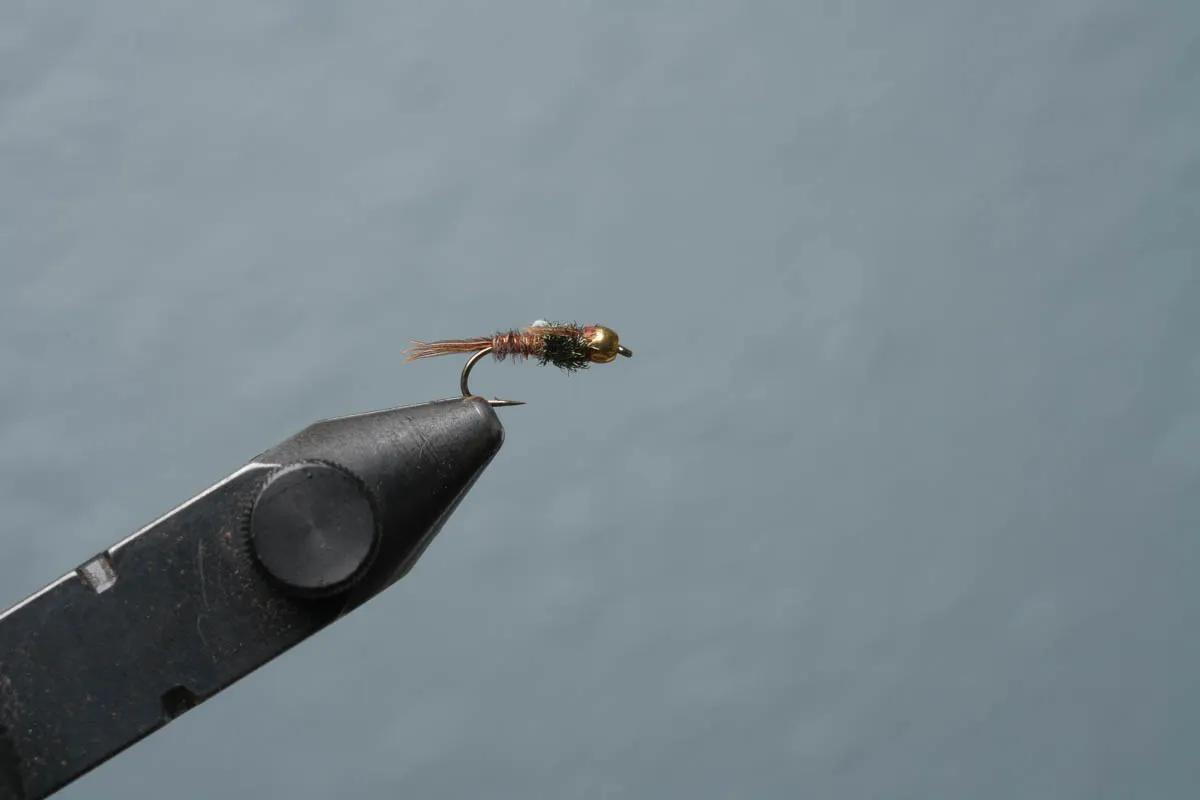
Pheasant Tail
Perhaps the most fished nymph in all of fly fishing for trout. Pheasant Tails (PTs) catch fish year-round and on every trout river in the world. They imitate the many species of mayfly nymphs that are very abundant on most trout rivers, especially Montana's Spring Creeks and tailwater rivers like the Madison and Missouri Rivers. It should be no surprise that it is also a great winter pattern for any river in Montana. Many anglers will fish a Pheasant Tail nymph as a dropper as part of a two-fly rig. Try a smaller size in the colder months, like an 18 or 20. There are many variations of Pheasant Tails out there--from Flashback PTs to Lightning Bug PTs to Sawyer PTs to Shop Vacs--, and they all can be very successful patterns for fly fishing in winter.
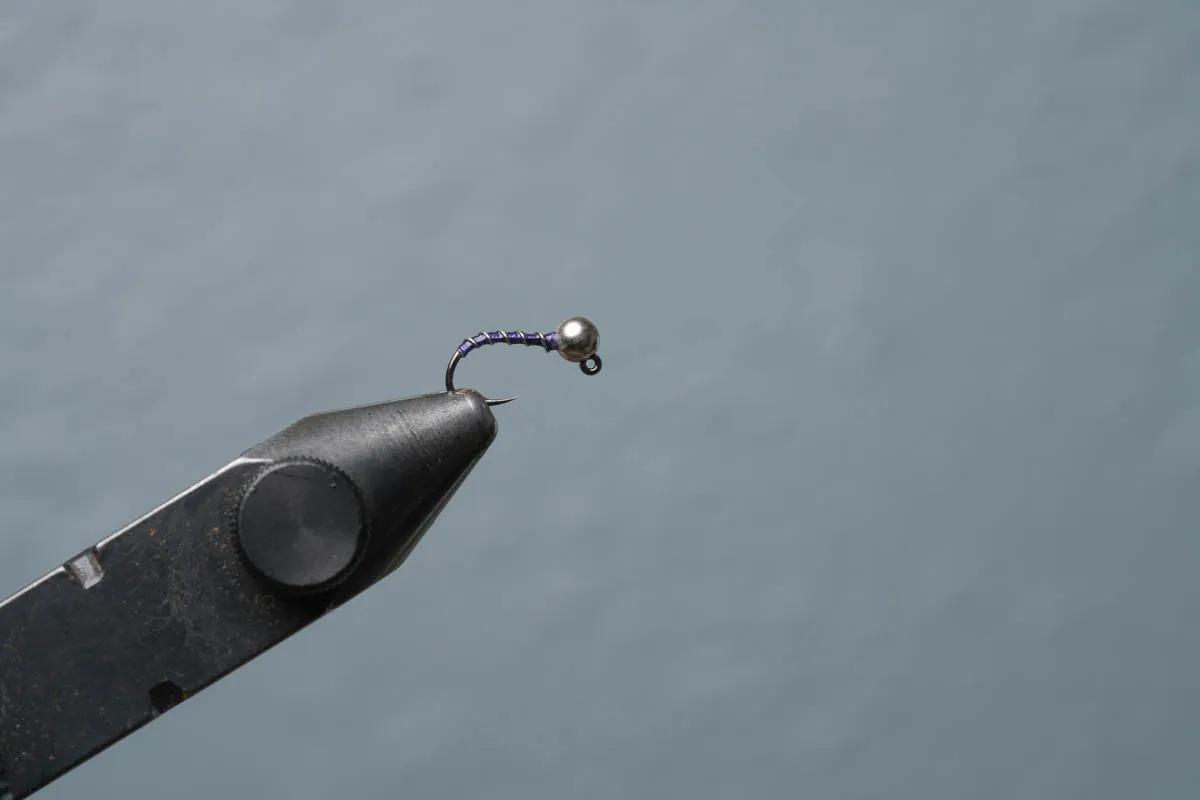
Beadhead Zebra Midge
The beadhead version is preferred but not essential. Because midges are the primary hatch in winter, it is important to have this pattern in your box. The pattern is very simple and is tied by adding thread to a hook, adding a bead, wrapping the layers of thread with some wire, and calling it good. As Montana fly fishing fly patterns go, it cannot be simpler. As flies that catch fish go, it’s versatile and effective. In winter, it’s best fished as a nymph as part of a two-fly rig, but an un-beaded Zebra midge can be fished as an emerging insect under a dry fly or small indicator. Tied in various colors, with black being the most popular, this fly will most likely be found on a Montana fly fishing guide's rig at some point when fly fishing in winter.
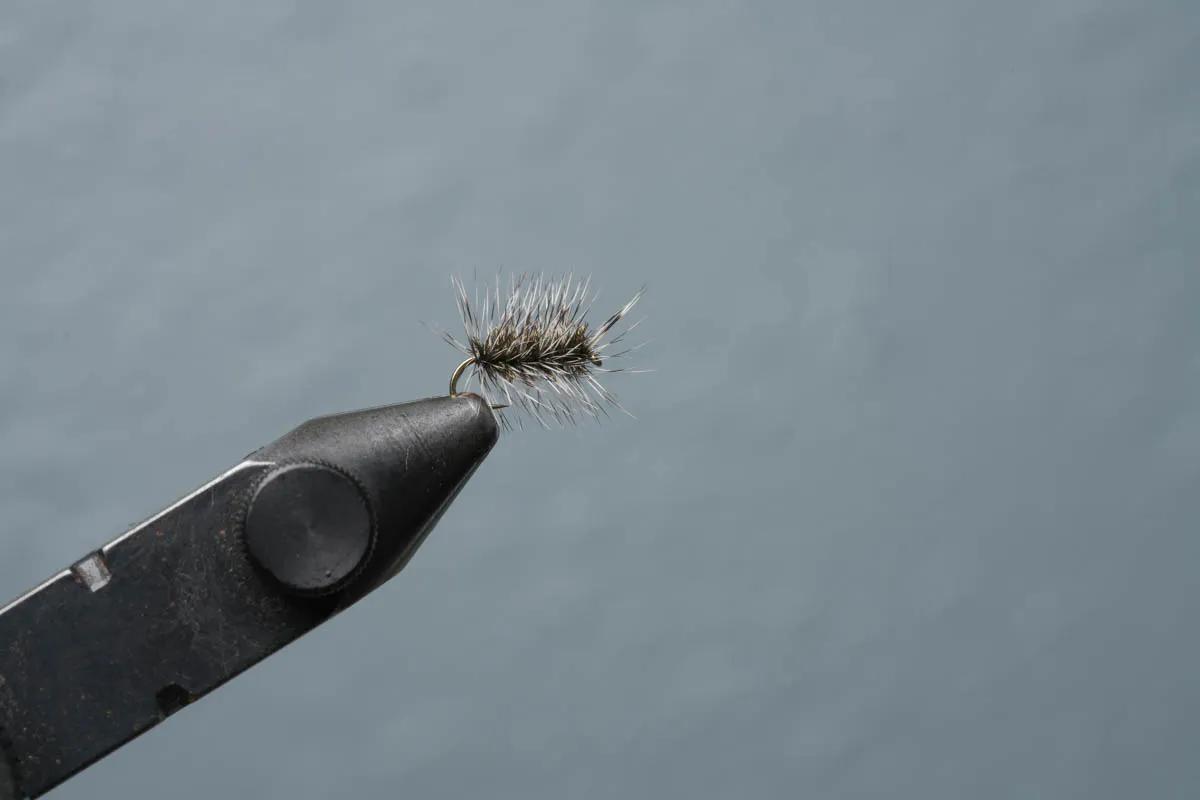
Griffith’s Gnat
As winter moves along and longer days begin in February and March, the potential for hatching midges increases. Midges are small insects that provide the bulk of a trout’s winter diet. If you happen to time it right and are also a little lucky, you may encounter some rising trout. If that occurs, they are most likely feeding on midges. The Griffith’s gnat mimics a midge cluster on any river. This pattern can be very effective on the Gallatin, Madison, and Missouri Rivers during a winter-time midge hatch, but it should work on any body of water where midge clusters dominate in winter. The original pattern is tied with hackles to allow it to sit high on the surface, making it easier to see, but a colored post can also be used for better visibility. When fishing the Griffith’s gnat, many experienced fly fishing guides place fly floatant on the leader as well as the fly so the fly floats higher on the surface.
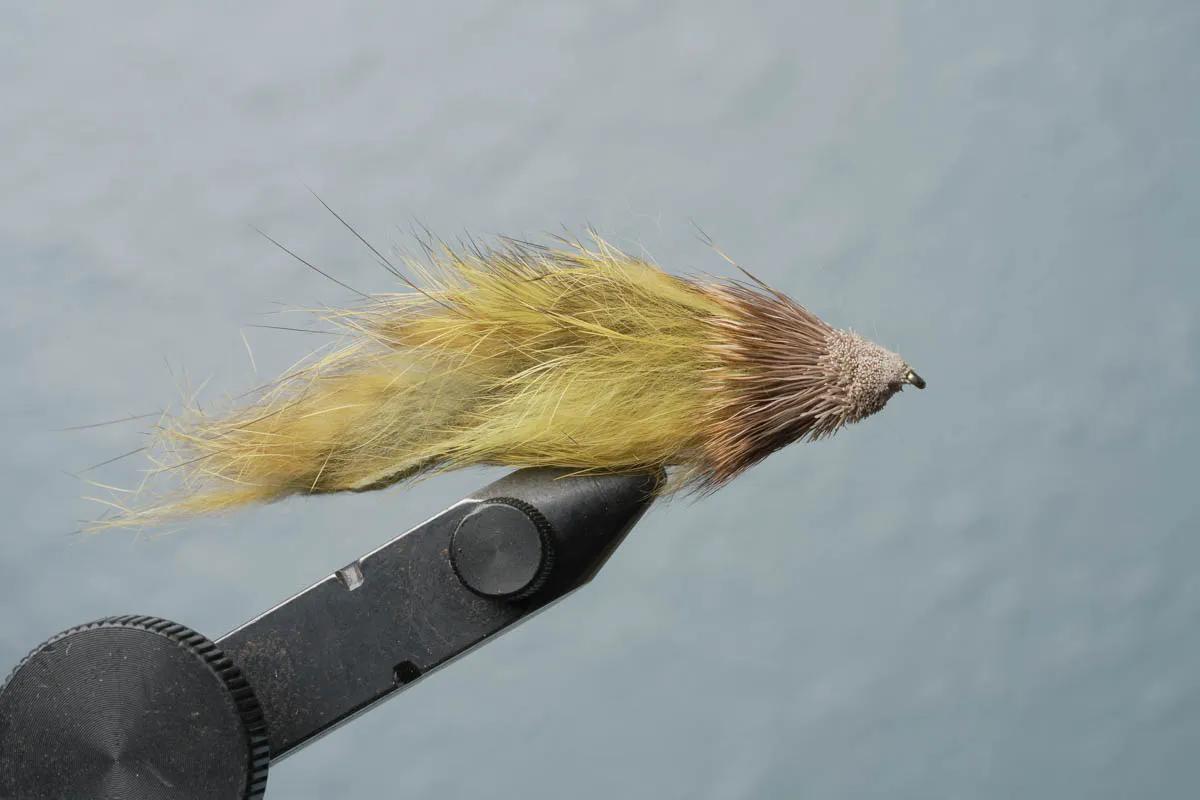
Sculpin patterns
Winter isn't usually thought of as the season of the streamer, but that doesn't mean bigger flies aren't successful in winter. The adage of big flies catch big fish rings true in winter as much as it does in spring, summer, and fall when fly fishing in Montana, but the techniques need to be tweaked for success when fly fishing with streamers in winter. The best way to fish these in the winter is to dead drift them with maybe a few twitch mends mixed in. Fish your favorite rabbit fur sculpin pattern with a beadhead Zebra midge or Pheasant tail behind it and swing for the fences. Although the catch rates in winter will indeed be less than spring, summer, or fall, you just might fool that monster trout that hasn’t seen flies in months. Our favorite sculpin patterns for winter fly fishing are Drunk and Disorderlies, Sculpzillas, Sparkle Minnows, and the McCune's Sculpin.
Fly fishing in Montana shouldn't be reserved for the bluebird, easy living days of summer. Some of the best days of fly fishing occur in the most inclement weather, including some great days of fishing occurring in the winter months. With so many great fly fishing rivers and creeks near Bozeman and Big Sky, Montana, fishing during all four seasons is a reality. If summer is the main tourist season and spring and fall are shoulder seasons, what does that make fly fishing in winter? For anglers who enjoy solitude on the water and fishing trout rivers from a new perspective, winter is a legitimate option for fly fishing in Montana.