

Do you love to fish streamers but think it’s only a fall season game? You’re not wrong, but you are missing out on some of the fun—you just need to adjust your skills. When fishing in winter, fishing tandem nymphs below an indicator can get it done, but fishing streamers has the potential to be a lot of fun. So whether you are on the Madison River's 50-mile riffle or on one of the Missouri River's signature runs, here are some help with wintertime streamer fishing.
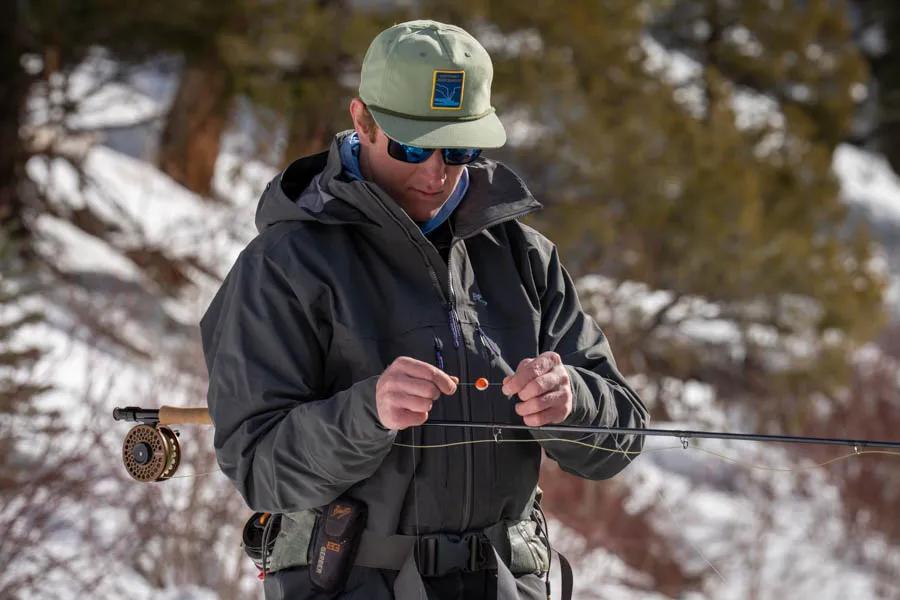
Ditch the Strip and Dead-Drift or Swing
Dead-drifting or slow swinging will catch more trout on streamers in winter than stripping. Guaranteed. Trout, and the baitfish they eat, are lethargic in winter. Because of this, your streamer must behave like a lethargic baitfish. Rarely will a trout swim far to eat, even for a baitfish, even if you are using the best techniques for fishing streamers. While dead-drifting, watch your fly line as your indicator: if it moves unnaturally or stops, give a small trip; if it feels tight, set the hook. To accomplish this, you must keep your line hand engaged at all times in case of a strike, and always allow your fly to swing up and out of the drift before casting again.
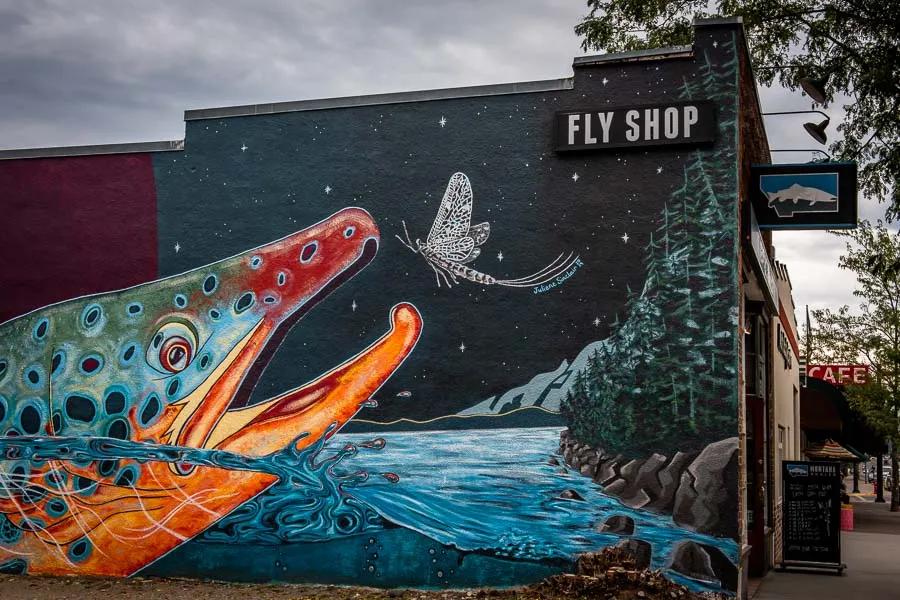
Read Local Fishing Reports Regularly
Knowing where the best conditions line up for productive streamer fishing is key. Find areas where the winds are calm, and rivers are running ice-free. This is true on most tailwaters and spring creeks, but if you plan to fish a freestone river, be sure to check the local fishing reports. When reading these reports, if they suggest there is good subsurface nymph fishing, read between those lines and know that if the fish are feeding on nymphs, fishing streamers is a legit possibility—just stick to dead-drifting or slow swinging.
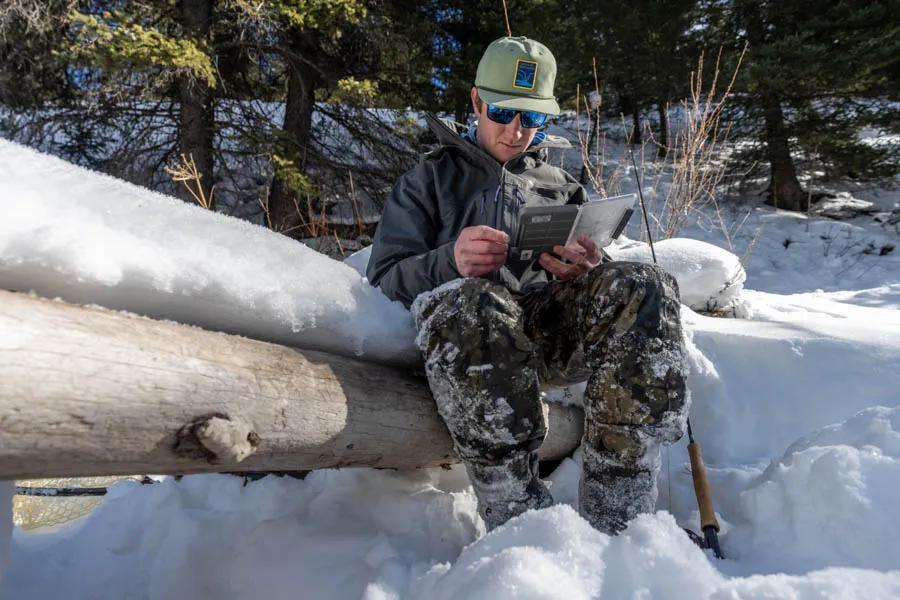
Consider Minimalism
We’re not talking about the hipster movement here, but like a bead head Prince Nymph, this cliche is used way too often. But for fly fishing in winter, and especially fishing streamers in winter, it rings true. Tie and use patterns that are sparser than you’d use in spring or fall. Keep color variations simple – mostly black, brown, or olive. Lots of colors, articulated hooks, and gaudy heads look sexy in the fly bins, but save those patterns for later in the season.
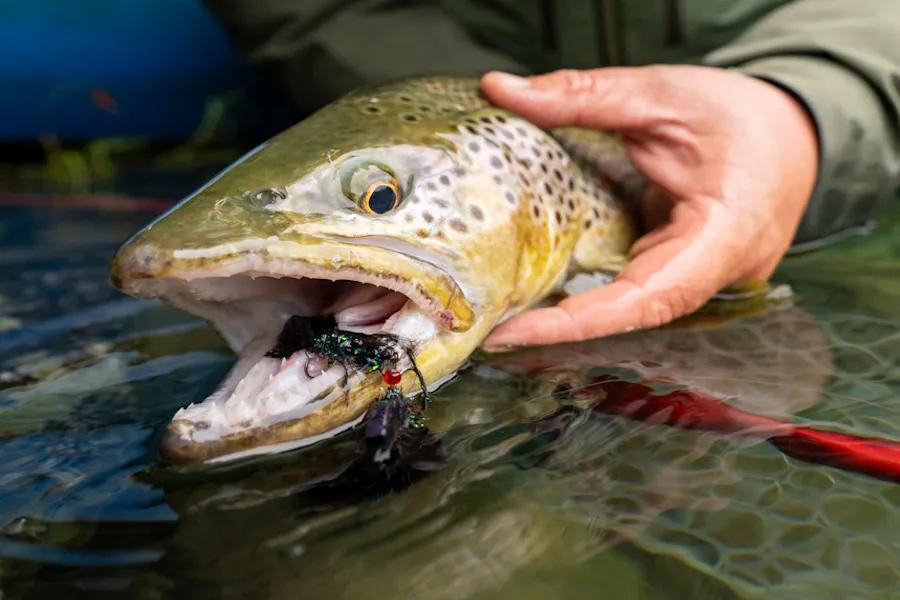
Choose Flies that Have Weight Tied Into the Pattern
If you tie your flies, add weight to the fly itself. If you buy your flies, ask the shop clerk if the fly has weight built in. A fly that’s already weighted will sink faster and act more naturally in the current. Adding weight to your leader creates a slight pull on the tippet, which creates an unnatural action. If you must add weight, add it as close to the fly as possible, being careful not to crimp the knot that connects the fly to the tippet. If you do go fly fishing in winter, be sure to have some of these top winter flies.
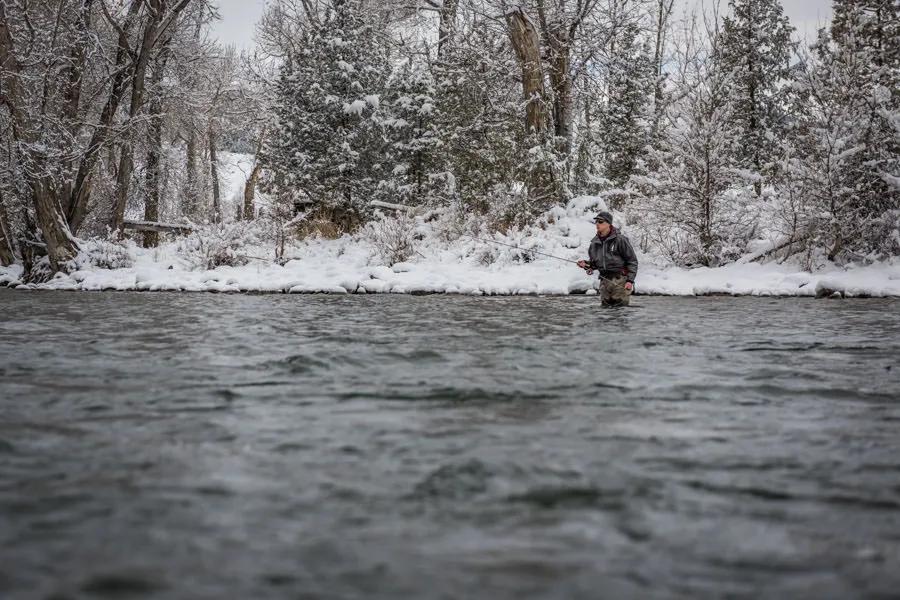
Be Twitchy on the Trigger—Short Strikes are Frequent
Trout will often strike violently at prey, but not always commit to eating it immediately. Once a baitfish is stunned, it’s consumed. If you miss a strike, resist stripping faster. Stop stripping altogether, or slowly strip. Feel for resistance or a soft hit. Many streamer anglers catch wintertime fish on the second take, not the first.
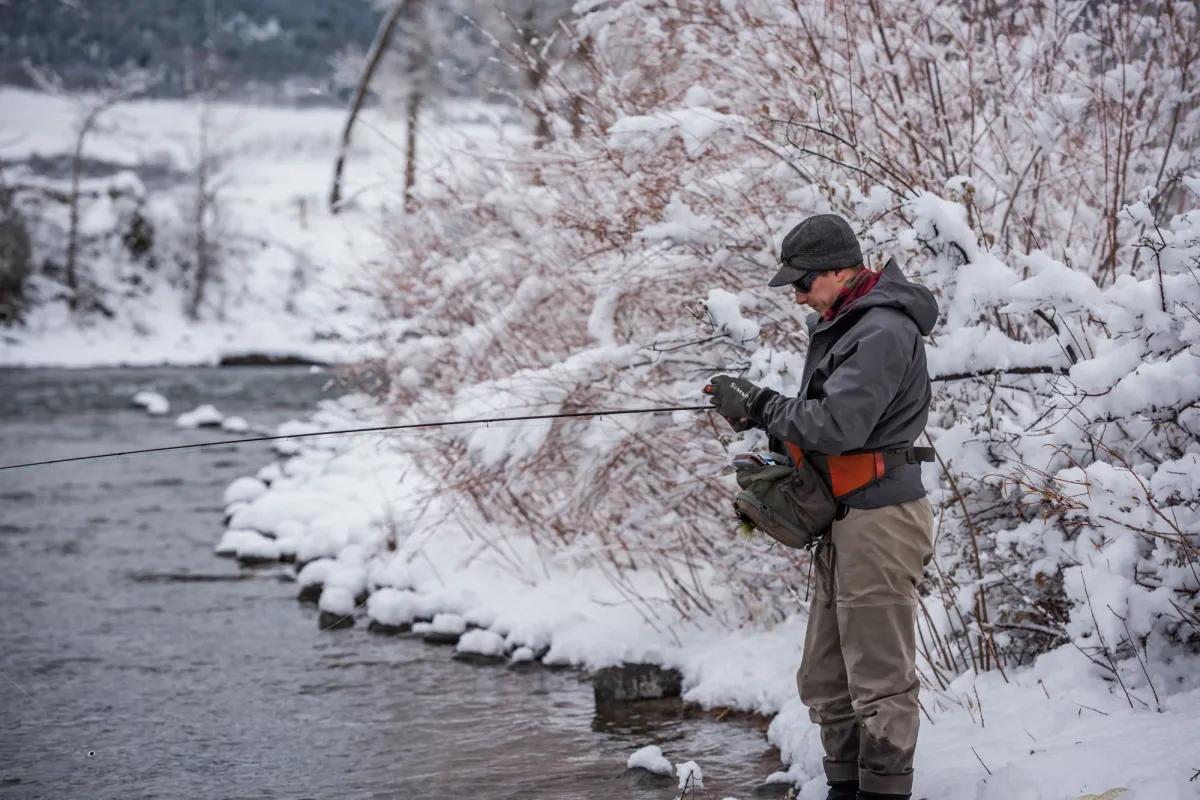
Adjust Your Leaders and Tippets Choices
Shorter and stouter leaders are essential. A shorter leader will give you more control to drop the fly closer to the bank-side structure or under an overhanging branch. Consider a sinking leader or a sink-tip fly line. On the Missouri River, a sinking leader will get the job done, but for a larger river like the Yellowstone River or Lower Madison, a sink-tip is helpful.
The winter-time streamer fly fishing game is often an attempt to master simplicity, yet arm yourself with enough skills to be in the right place at the right time.