

Cottonwoods ablaze in color, the tips of grasses covered in frost, and visions of large trout dance in anglers' minds--these are sure signs of fall fly fishing in Montana. When planning a fly fishing trip in Montana during autumn, the target is to land a truly large trout. We're talking a trout over 20 inches or bigger. Spring is the season when our rivers wake from winter slumber, and summer is the season of easy days afloat in the sunshine with friends and relatives; fall is the season to commit to finding the biggest trout of the year. Here are some top tips to help you find big trout during the fall season or wherever in the world your pursuit of large trout may take you.
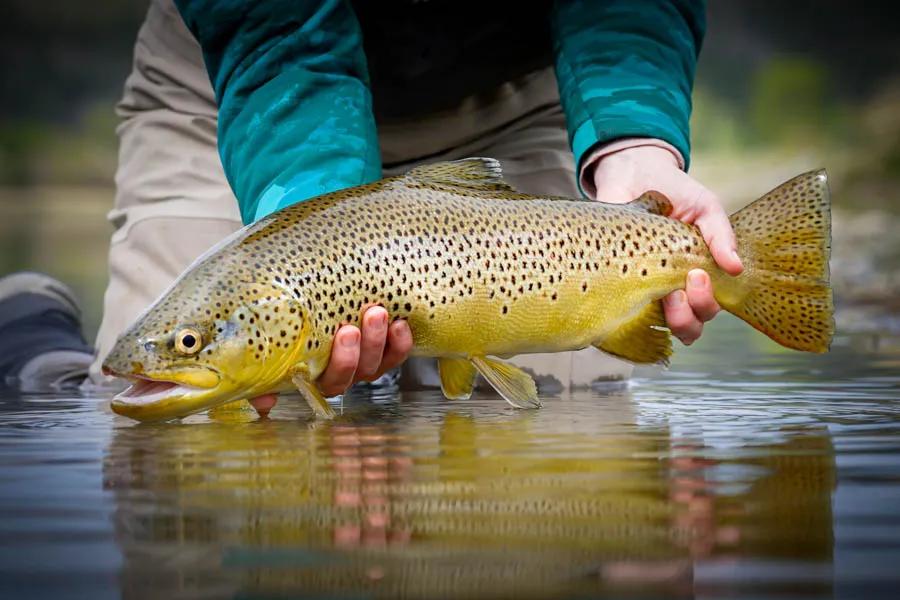
How big is a big trout in Montana?
Most experienced and professional fishing guides start the "big trout" discussion when a fish passes the 20-inch mark. But there is a little dose of perspective here in that in some rivers and creeks, a 20-inch trout is slightly above average and not the pig of the hole. In some places in Argentina, Alaska, and Mongolia, a 20-inch trout is notable but not one that gets the guide excited. When fly fishing in Montana, a 20-inch trout is a dandy indeed and a worthy accomplishment. On some of the Bozeman, Montana fly fishing rivers like the Madison and Yellowstone, trout over 20 inches swim indeed, and many are caught each year. Any trout over 20 inches is a really big trout, and a trout over 24 inches is possibly the fish of the season.
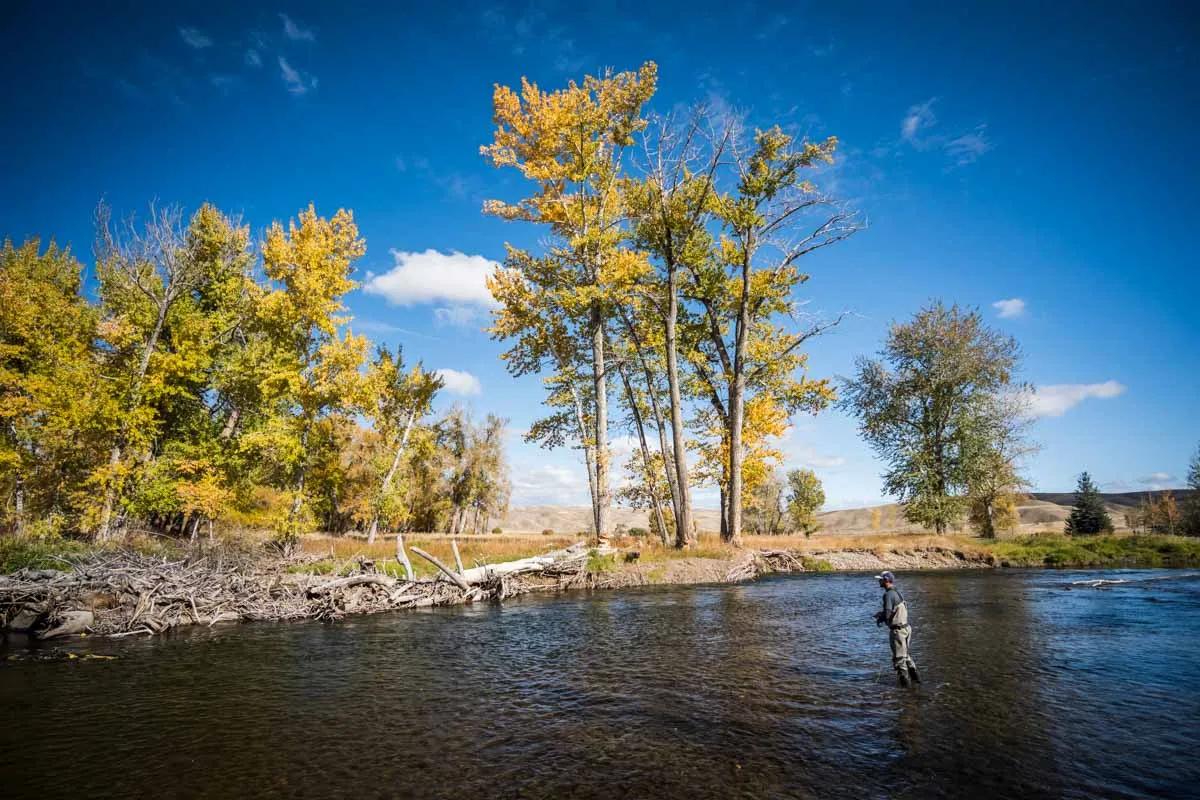
Where to find these big trout in Montana in the fall?
While as much as we'd like to tell you exactly where the largest trout of the river swim, it's not that easy. But, big trout waters often share similar characteristics. Even our veteran Montana fly fishing guides may know where big trout can be found, but there is no guarantee large, predatory trout will always be in the same place. The features of big-trout water often include unique or limited access, home to a variety of water types, such as tailwaters or spring creeks or fertile freestones, and a diverse array of available trout food and forage. Big trout grow in places with cold water and plenty of healthy habitat. From the Missouri River in central Montana to the deep canyons of the Smith River in central Montana, big trout can be swimming in many waters.
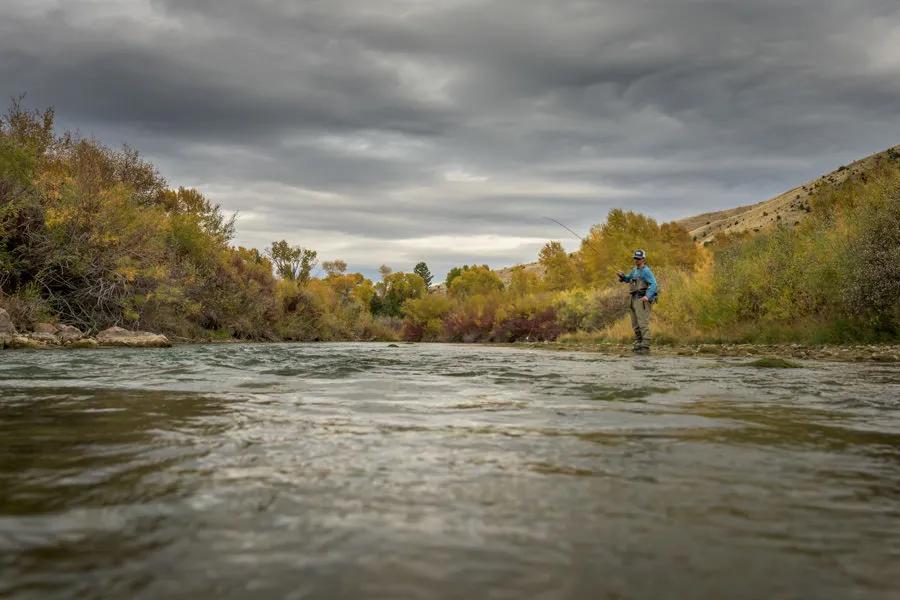
Why does the weather help you catch more big trout in the fall?
Summer is best described as long, hot, sunny days filled with blue skies and plenty of leisure anglers and floaters. As the fall season builds--and especially after the first legitimate cold front of autumn passes--the fair-weather anglers leave, the skies often have more overcast clouds, and water levels drop, creating fewer places for smaller trout to hide. Because big trout are predators, the lower-light conditions of the fall season often make these larger fish a little less cautious than during the bright sunny days of summer. Additionally, the cooler weather means fewer casual recreationists walking up and down the river or floating carelessly. Simply put: less traffic on the water means less wary big trout. Lastly, the changing weather signals oncoming winter, and big trout seek out large meals to add some extra weight to make it through another winter.
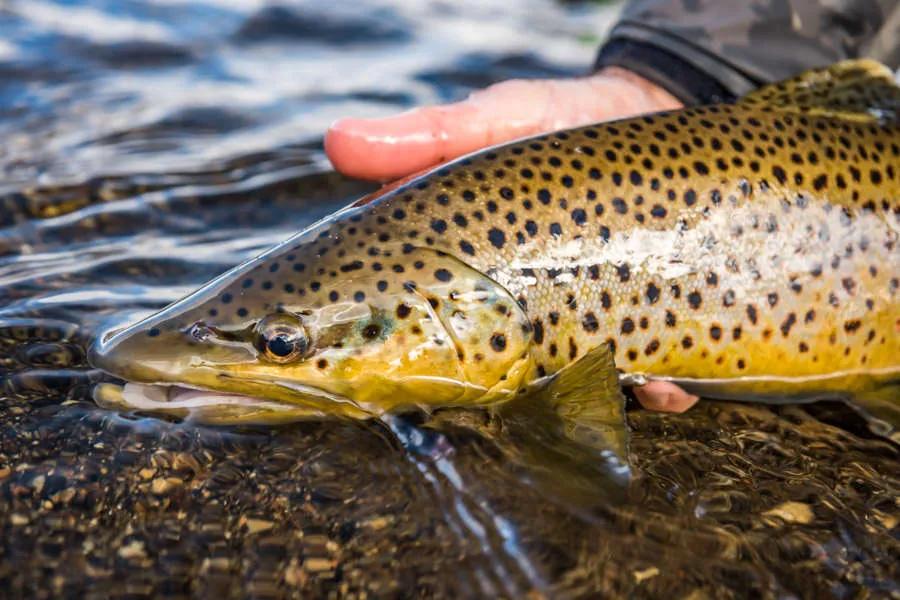
Why are big trout more aggressive in the fall?
Many large trout caught in the fall are brown trout. Brown trout spawn in the fall, and before spawning, many of these big trout become very territorial. Since most large trout are going to eat a big meal paired with being overly aggressive, they usually change their diet from small aquatic insects to larger meals. Choose streamers, grasshoppers, large crickets, or large stoneflies more often than not when fishing for large trout. If trout are eating a lot of small food and being selective, you probably need to match the hatch, cast better, get a better drift, use a more life-like pattern...simply put: you may need to just fish better. When big fish flip the narrative and get selective, understanding fly selection, insect life cycles of caddis and mayflies, micro-drag, deep- and sight-nymphing, floatants and dessicants, leader length, tippet size and rise forms, will result in more big fish to hand.
Why must you think like a predator to catch big trout in the fall?
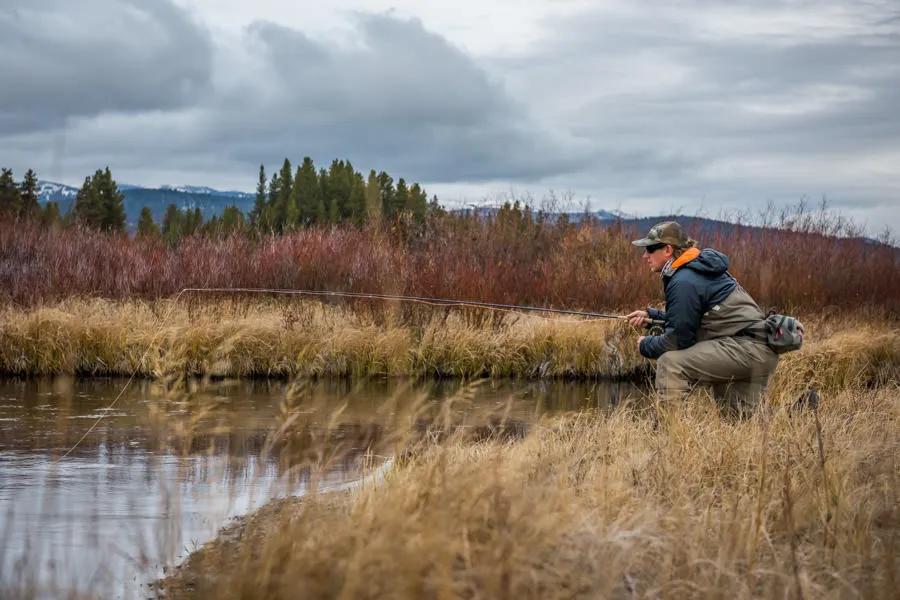
One of our longtime veteran fly fishing guides who loves to go fly fishing for permit says he never swims in the ocean. Why? Because he says there is always something bigger than you. Imagine how a trout feels on a river or stream--the odds are good there is something bigger than you that also could feast on you. Large trout are not careless and easily seen by prey. If they behave that way, they are unlikely to grow large. When you go fly fishing for big trout, you must approach fishing as the apex predator in the system. Always walk slowly when fly fishing: the impact of your feet on the ground or walking roughly on a stream bed can be felt by nearby trout. Think of a lion: it carefully plans an attack. Act the same when targeting big trout. If you spot a large trout, a quiet and deliberate approach before casting is crucial.
When experienced anglers discuss the best seasons of the year for going fly fishing in Montana, the fall season is often at the top of the list. Low streamflows and rivers devoid of summertime leisurists, mean predatory trout seek out opportunities to feed or chase prey. If being in the right place at the right time is a factor in catching a large trout, the fall season in Montana is certainly one of the right times, and we know Montana can be one of the right places.