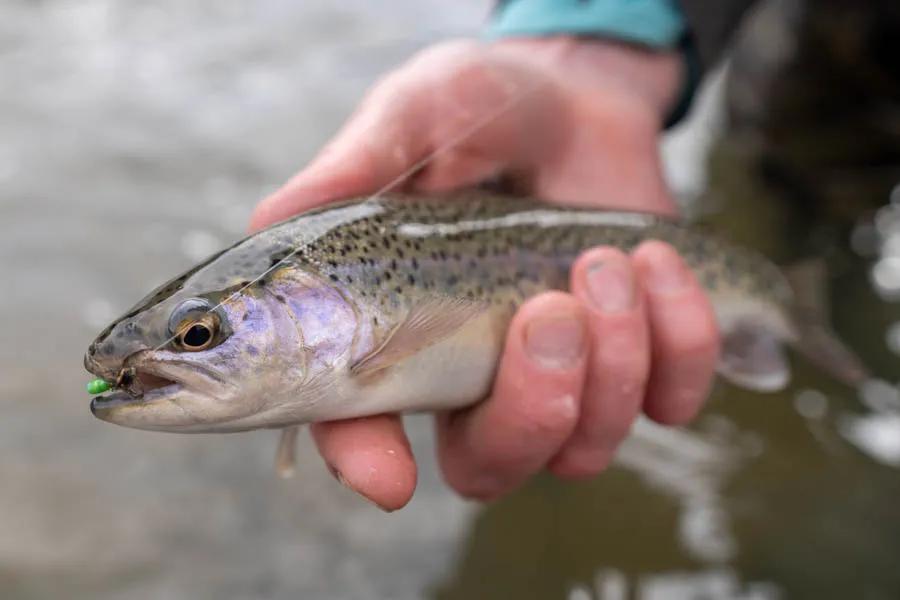

Seeing a trout rise to a dry fly is what hooked many of us on fly fishing. A sense of satisfaction is gained from properly casting a dry fly on the water’s surface, watching it float downstream, and witnessing a trout eat it. For many of us, this is what we crave, but when fish just won’t rise to a dry fly, fishing nymphs under the surface may be the only way to bring a fish to hand. Because over 80 percent of a trout’s diet is consumed underwater, anglers must adapt and learn what happens when a trout is feeding on nymphs. Here are 7 tips to catch more fish using nymphs when fly fishing in Montana or anywhere else in the world where trout swim.
What are the life cycles of aquatic insects for trout fishing
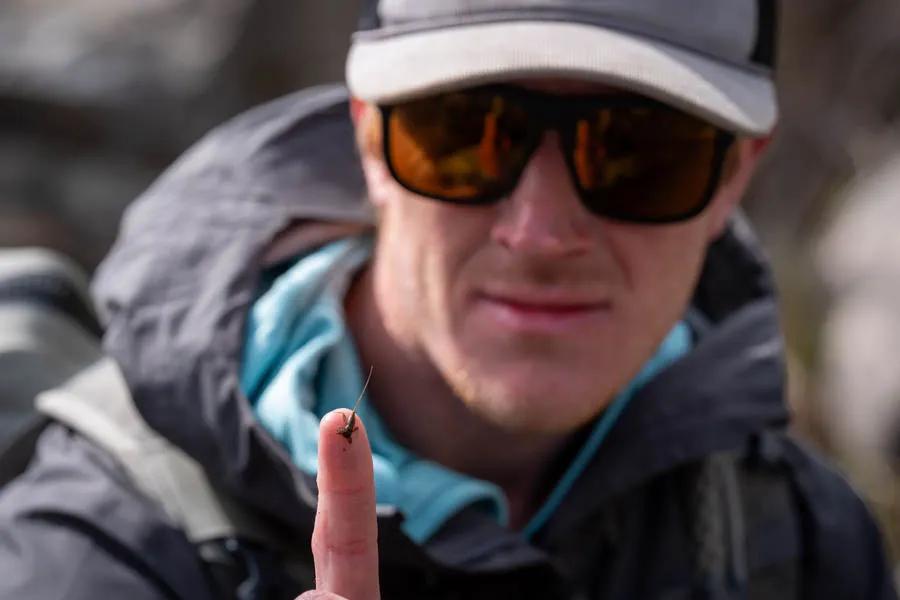
“Nymphs” is the generic term for dozens of aquatic insects that live underwater. Nymphs can range from larvae to pupae to freshwater shrimp to the last stage of a hatching insect. When a hatch is about to begin, many nymphs become active, with some species migrating towards the surface. It is during this “emerging” stage that trout feed on nymphs that have been dislodged or are floating in the current. This is true on freestone rivers, tailwater rivers like the Missouri River with well over 5,000 trout per mile, and the Paradise Valley Spring Creeks.
What are the ideal flies for fly fishing with nymphs
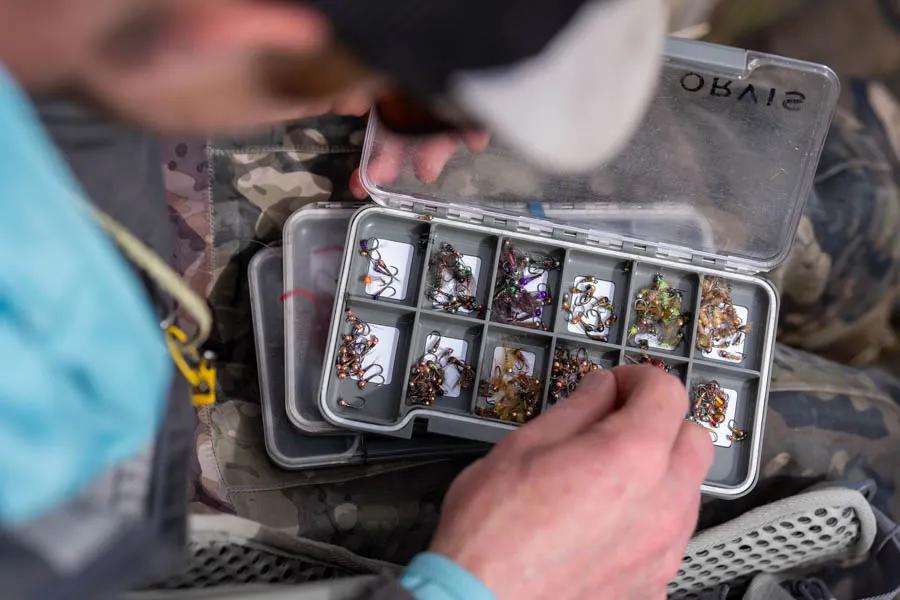
Whittle down your fly selection to include the following: Pheasant Tail nymphs for mayflies; Prince nymphs for caddis and stoneflies; Pat’s Rubberlegs for larger stoneflies; Zebra midges for midges and small mayflies and caddis; and Czech nymphs for scuds and sowbugs. These patterns will work on almost any fly fishing river for trout in Montana or the world, and the best fly fishing guides always carry these patterns.
What flies should I choose when using nymphs for fly fishing
When some of us first started fly fishing in the 1980s, beadhead nymphs were revolutionary. These days, when fishing nymphs, using a beadhead is standard. Depending on the speed of the water, consider using a tungsten beadhead fly—faster water requires a heavier bead. On a fast river like fly fishing the Madison River in Montana, beadheads are crucial.
Why adding weight to your leader is important
Because 80 percent of the time, most nymphs are near the bottom of the river, adding weight to your leader is crucial. During snowmelt runoff, especially on the Yellowstone River, adding weight is essential. This allows your flies to sink faster and spend more time at the depth the fish are feeding, rather than sinking slowly and possibly never getting to the fish before drifting out of feeding range.
Should I fish with two flies when fly fishing for trout
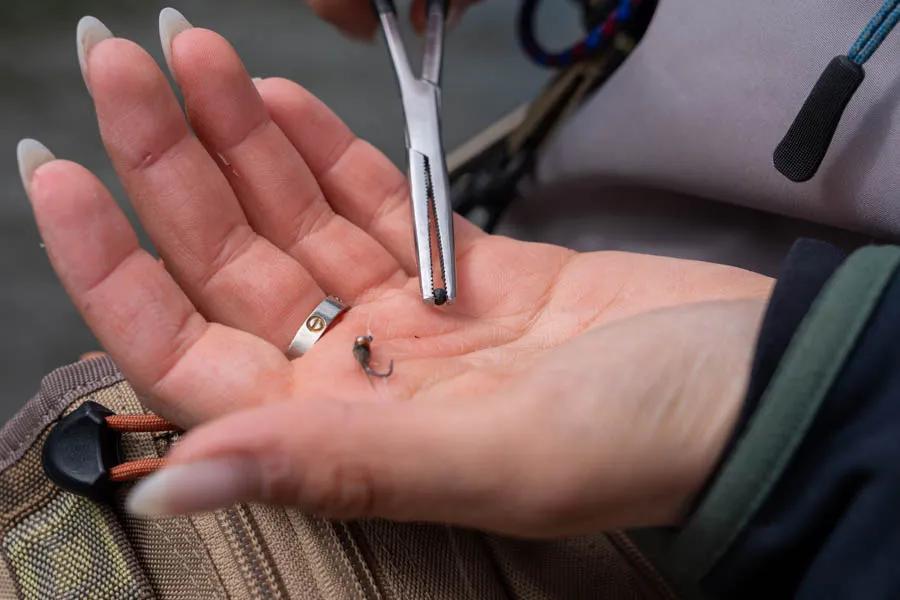
Fishing two flies increases your offering to a hungry trout, plus it adds more weight to your rig, which makes your flies sink faster. On rivers with a variety of insect species, like when fly fishing on the Madison River, choose a mayfly pattern such as a Pheasant Tail and a stonefly pattern like a Pat’s Rubberlegs.
Is there an easier way to cast when fishing nymphs
Add up the parts of a standard subsurface nymph rig—a leader, an indicator, a weight, and two flies- and it is going to cast differently than a single-fly dry fly rig. It is essential to slow down the casting stroke by pausing longer before transitioning from back cast to forward cast. A longer pause creates a wider casting loop, which reduces the risk of tangling up the rig. Having an open casting loop is a great tactic and one of the ways to successfully cover more water when fly fishing for trout.
Is reading water important to catch more fish with nymphs
When a fish rises to the surface, they give away their location, but when a fish is feeding sub-surface, it is very difficult to see them. Nymph fishing requires anglers to study the surface of the water for clues to what the bottom of the river may look like and cast their fly accordingly. Check out our Montana Angler instructional videos, and you can unlock many mysteries of subsurface trout lies.
Understanding how to fish nymphs more effectively will surely increase the number of fish you catch. Since trout do most of their feeding subsurface, basic nymph-fishing skills are essential whether you are fly fishing in Montana, Chile, New Zealand, Argentina, or wherever trout swim!