

Caddis species are prominent in nearly every trout river in the world—from Montana to Chile to New Zealand. While an abundance of caddis species exist, you can use many of the same tips, patterns, and techniques to catch more trout even if there isn’t a strong caddis hatch occurring and you are unsure of the exact species that is hatching. In fact, nearly all caddis species have the same lifecycle and habits, so trout throughout the world feed on caddis with very similar habits. Here are some tips to catch more fish by understanding caddis.
How to know the lifecycle of a caddis
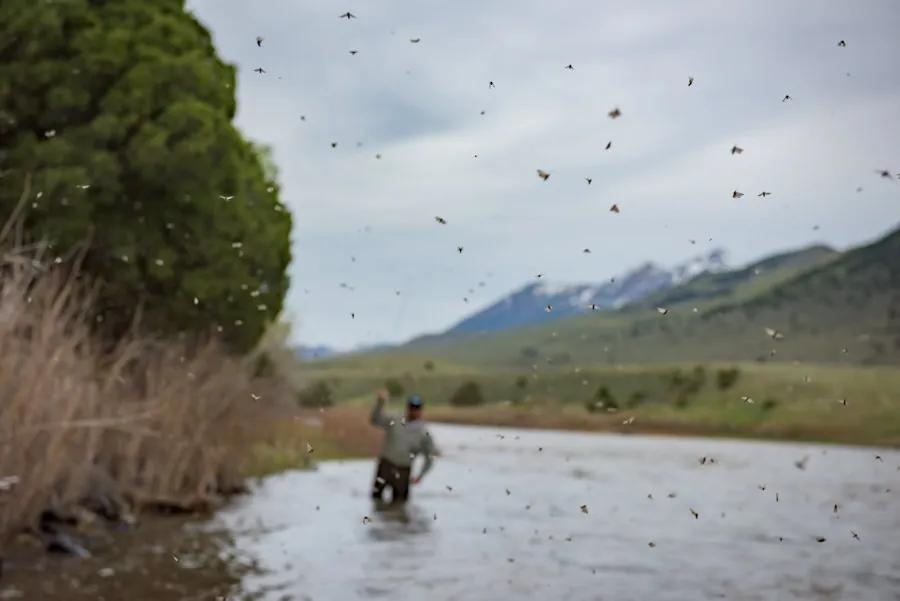
Caddis have six distinct lifecycle stages—eggs, larvae, pupa, emerging, adult, and spent. Larvae, pupa, emerging, adult, and spent are important to anglers. Larval and pupal stages occur near the bottom of a river or on submerged structures and are possibly the most important stage because trout feed below the surface well over 80% of the time. Emerging, adult, and spent (mated and dead) caddis are perhaps the most exciting times to fish caddis because this is when fish are often rising to the surface or eating off the surface, like what happens during the Mother's Day Caddis hatches in the Western United States.
How to fish a caddis emergence
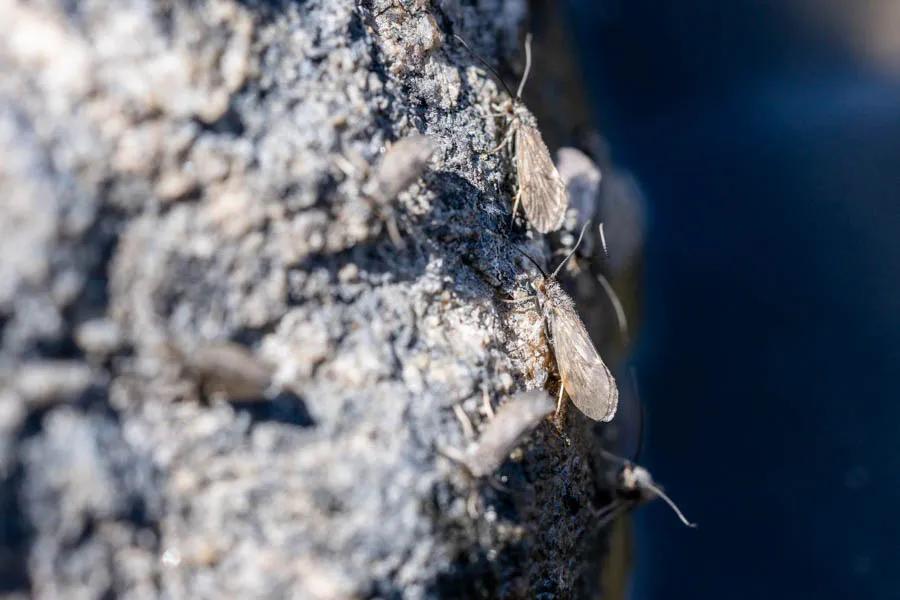
When caddis larvae reach about a year old, they become more active and begin to crawl from their shuck. This is called an emergence and the larvae transform into a pupa, then cut themselves from the shuck to emerge to the surface. During this emergent stage, trout often feed with intensity as the pupas morph into adults while migrating to the surface. This is when swinging or using soft hackles can be very effective. Choose flies that have large hackles and experiment with a variety of drifts—from dead-drifting to swinging to even stripping with short pops for the retrieve.
As caddis pupae migrate to the surface, they are also changing from a pupa to an adult. This is called the emerging stage—they are not quite pupas but not yet adults. For trout, and anglers, fishing emerging caddis are vital to success. The insects often become suspended in the very thin layer of film on the water’s surface. For the insects, this is a crucial pause when there is time for the wings to develop, yet there is also time during this pause for hungry trout to pick off the stalled-out bugs. Trout feeding on emergers in the surface film often make subtle rises compared to when they are chasing emergers moving through the water column.
Fishing caddis emergers, especially on tailwaters like the Missouri River or on the Paradise Valley Spring Creeks is key to catching more fish. Choose lighter tippets like 4X on up to 6X. Fluorocarbon can work well when fishing emergers in the surface film, but because fluorocarbon sinks, choose the smallest possible diameter that you can. A subtle monofilament tippet will also work well and float your emerger better than fluorocarbon. If there is an abundance of emergers on the surface, another useful technique is to gently pop, skate, or skitter your emerger pattern. Creating this movement can imitate an active emerger enticing a strike.
What tackle should I use for fishing caddis
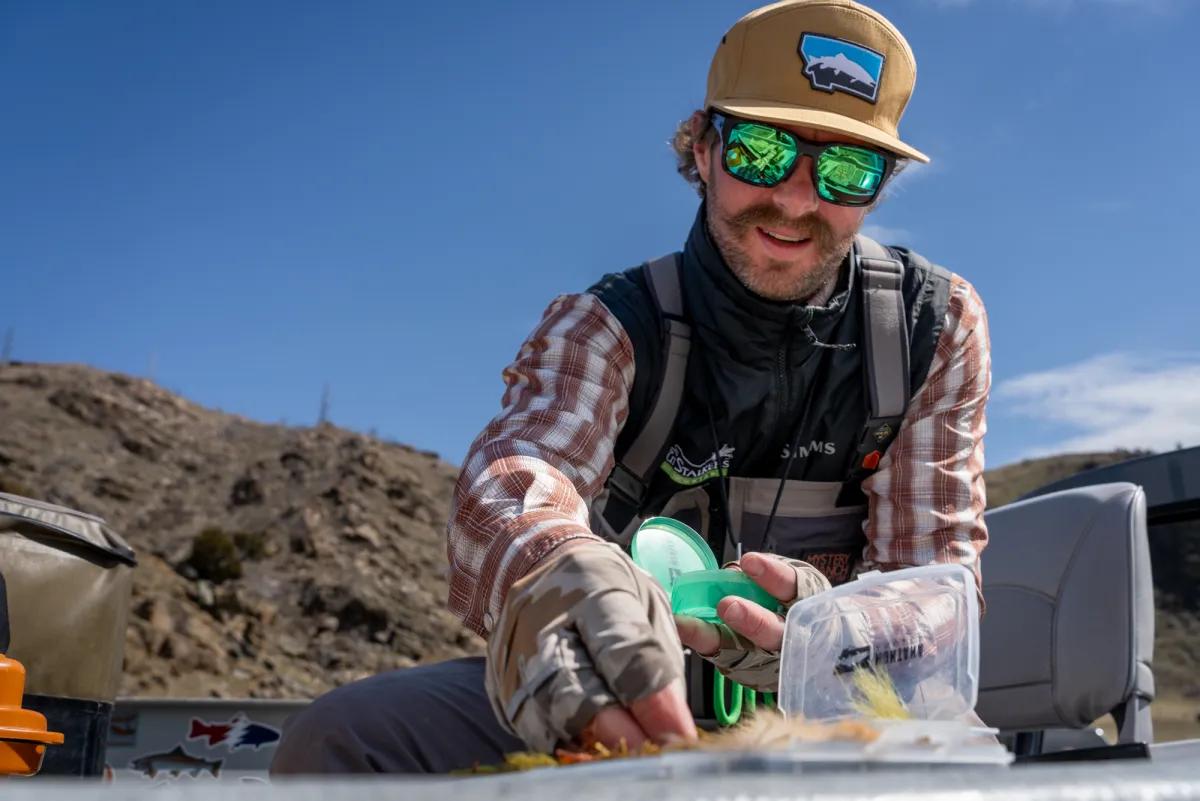
When fishing caddis subsurface it is important to use fluorocarbon tippet because the material sinks. On a fast river like the Madison River, fluorocarbon is essential. Adding weight to your leader is also important to help get your larvae or pupa pattern to the correct depth quickly. For emerging, adult, or spent caddis have a variety of floatants. Many successful caddis patterns have CDC. CDC is a unique material from a duck and its microfibers behave very lifelike in and on water, but when CDC is part of a fly meant to float, using a desicant and drying powder are crucial.
What are the best flies for fishing caddis
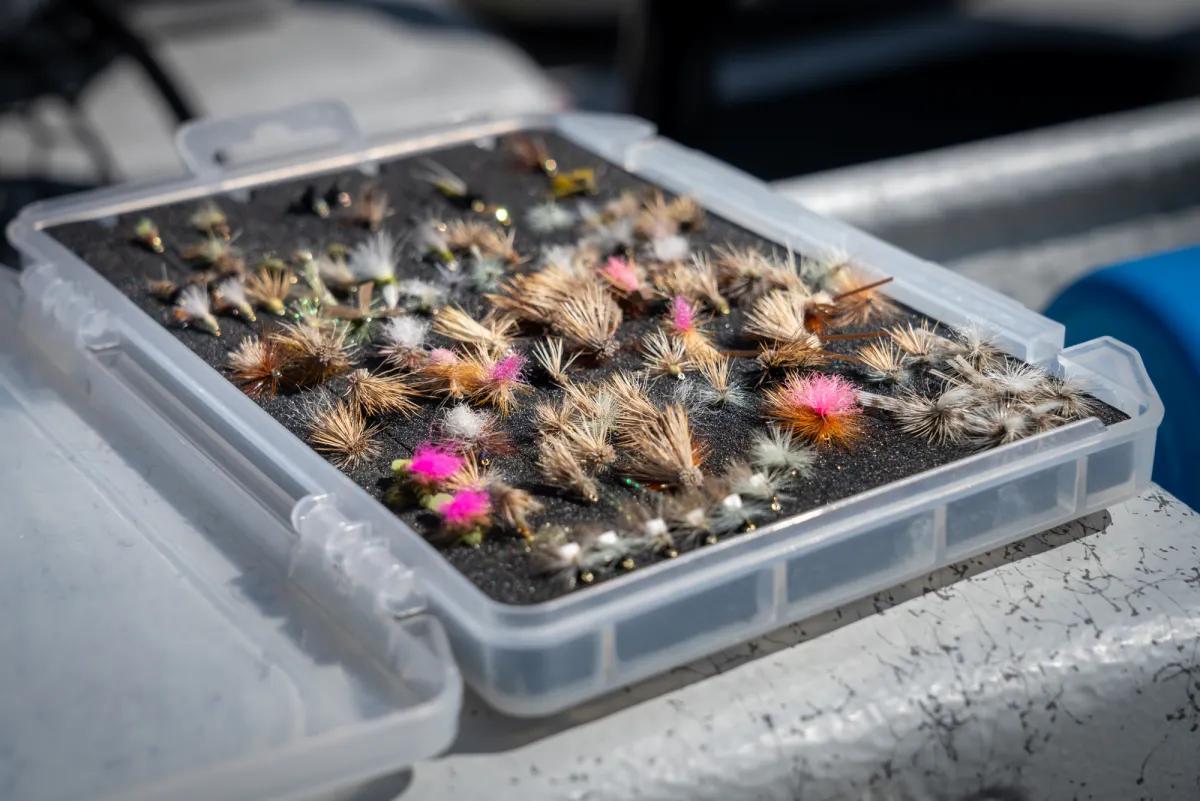
With a complex lifecycle covering a variety of habitats on a trout stream, it is important to have a variety of caddis patterns whether you are fishing a freestone river like the Gallatin or Yellowstone or one of the many great tailwaters that are home to large trout. Be sure to have some beadheads, soft-hackles, emergers, dry flies, and a spent caddis.
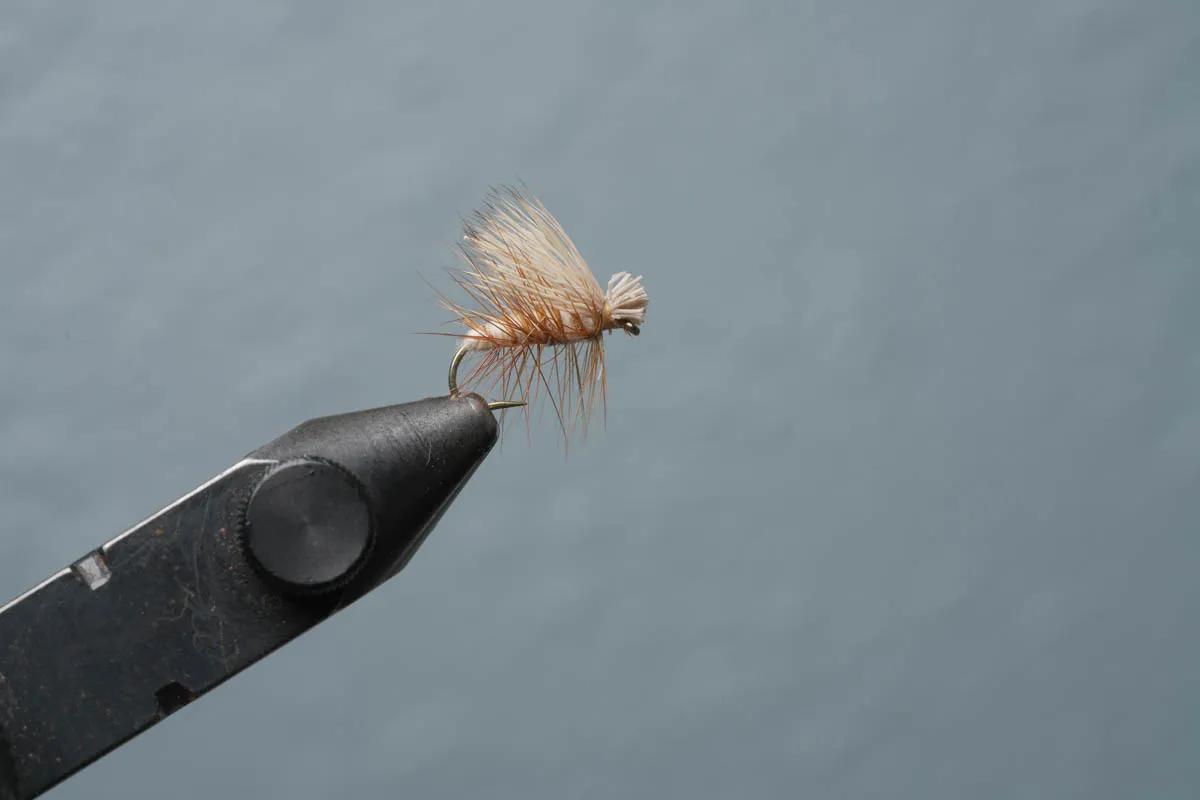
Elk Hair Caddis. This fly has probably caught more trout during a caddis hatch than any other. Tight with high-floating Elk Hair and palmered hackle, the Elk Hair caddis should be in every angler's fly box.
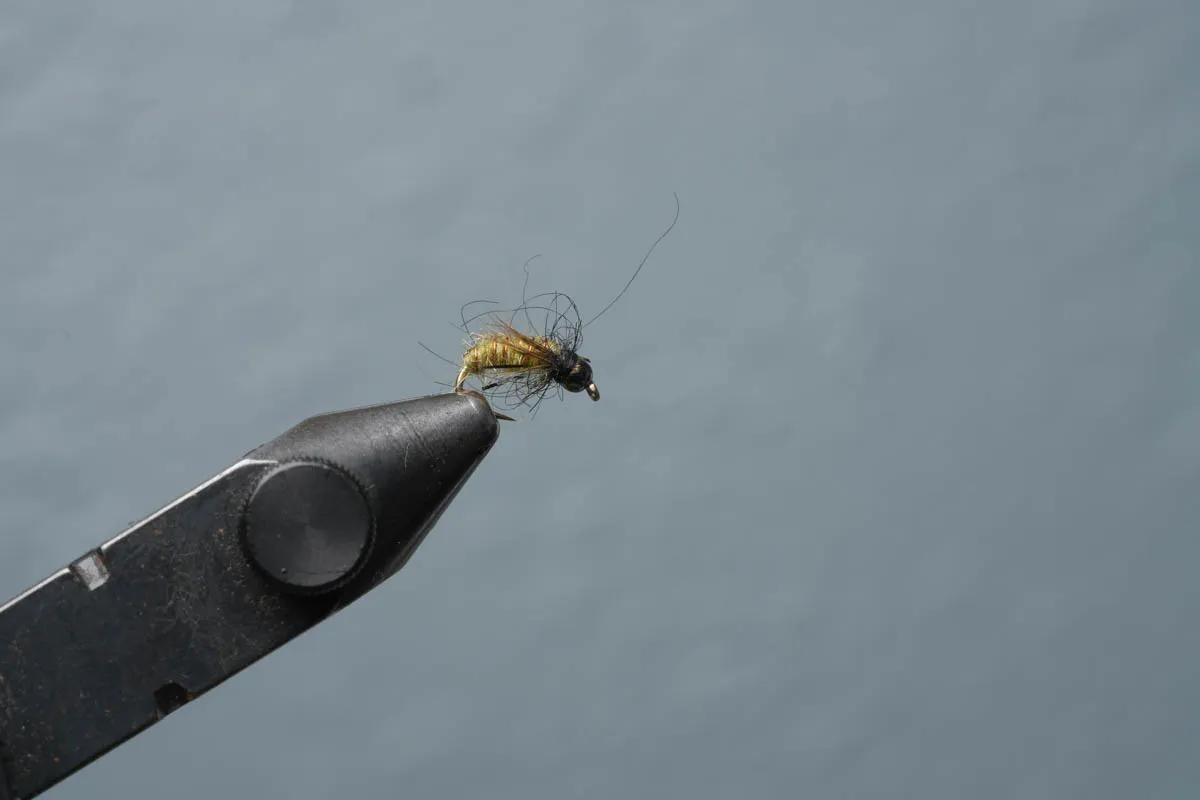
Super Pupa. This can imitate a caddis larvae or a caddis pupa. Tied with a hackle collar of CDC, this is a very versatile pattern. While a very simple pattern, it can be a very effective caddis pattern.
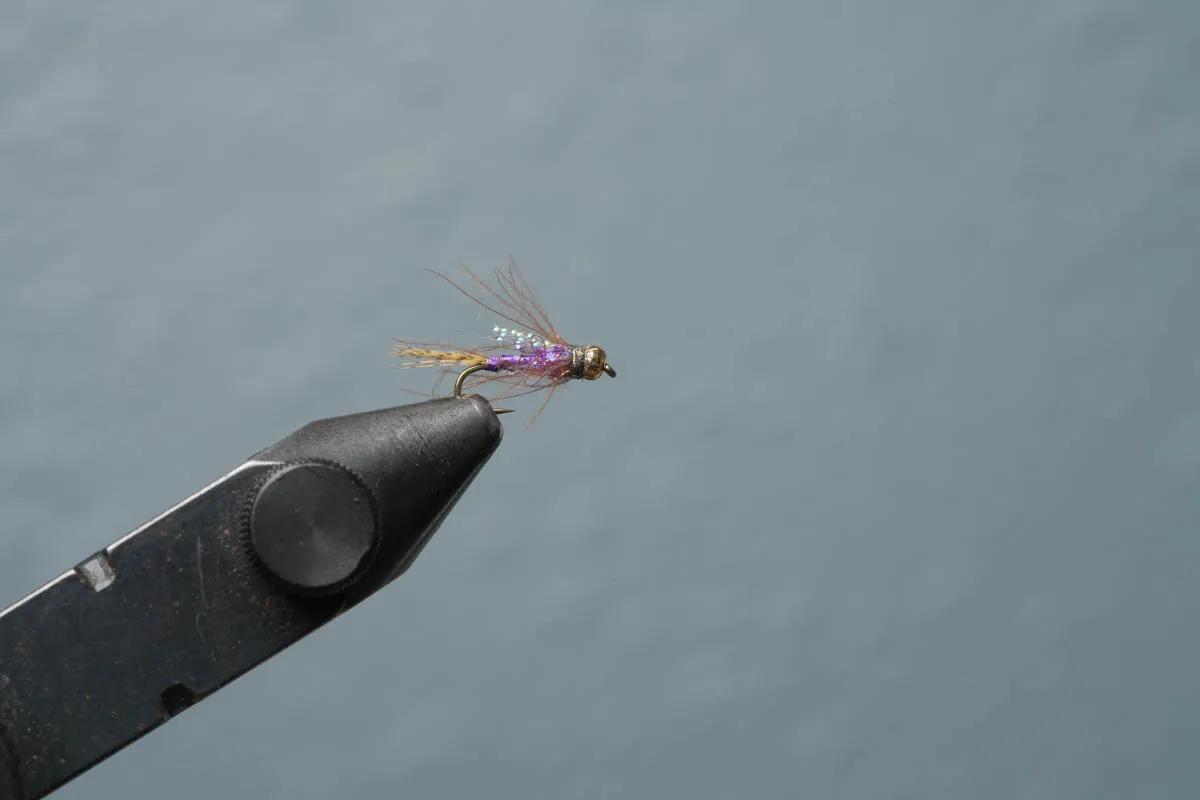
Beadhead Little Spanker. This fly can imitate a cadis pupae that is freeing from the shuck or a pupa that is migrating through the water column.
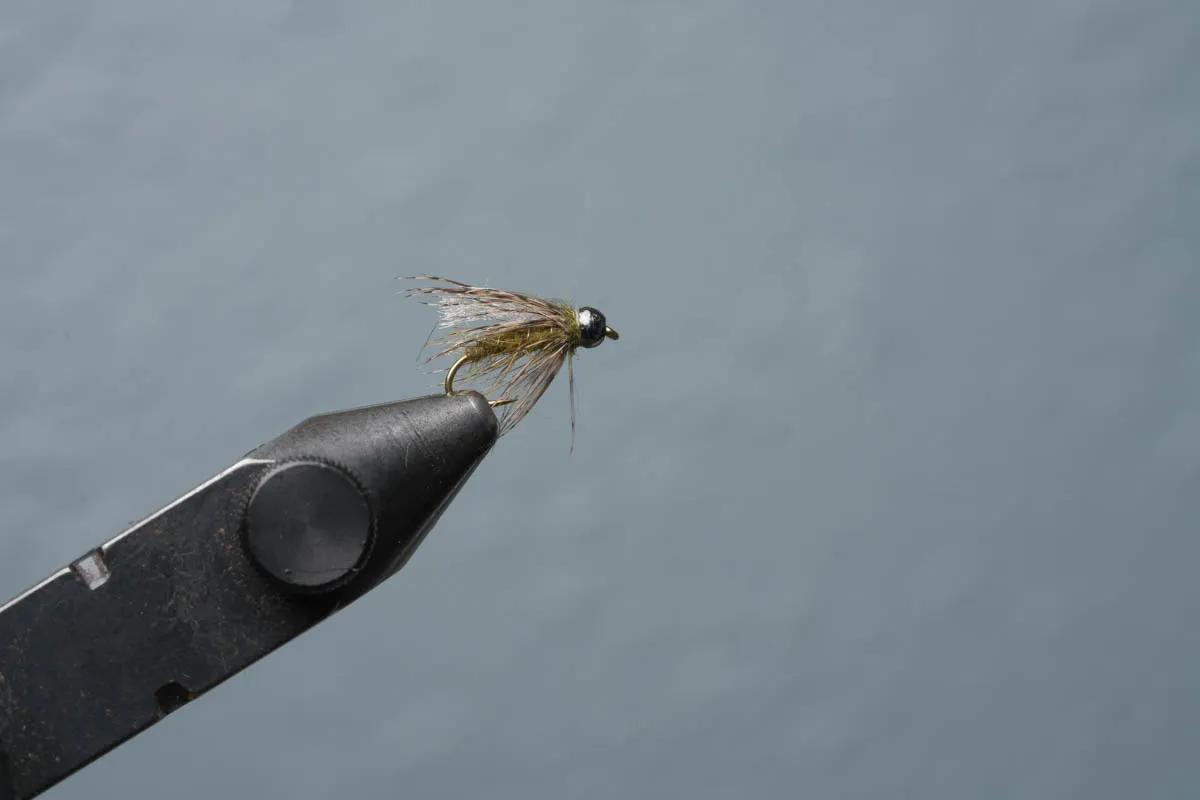
Soft Hackles (Beadhead and Non-Beadhead). There are dozens of very effective soft hackle patterns. If you have the patterns previously listed, it is a good idea to have some unweighted soft hackles as they can behave more lifelike when swung or stripped subsurface.
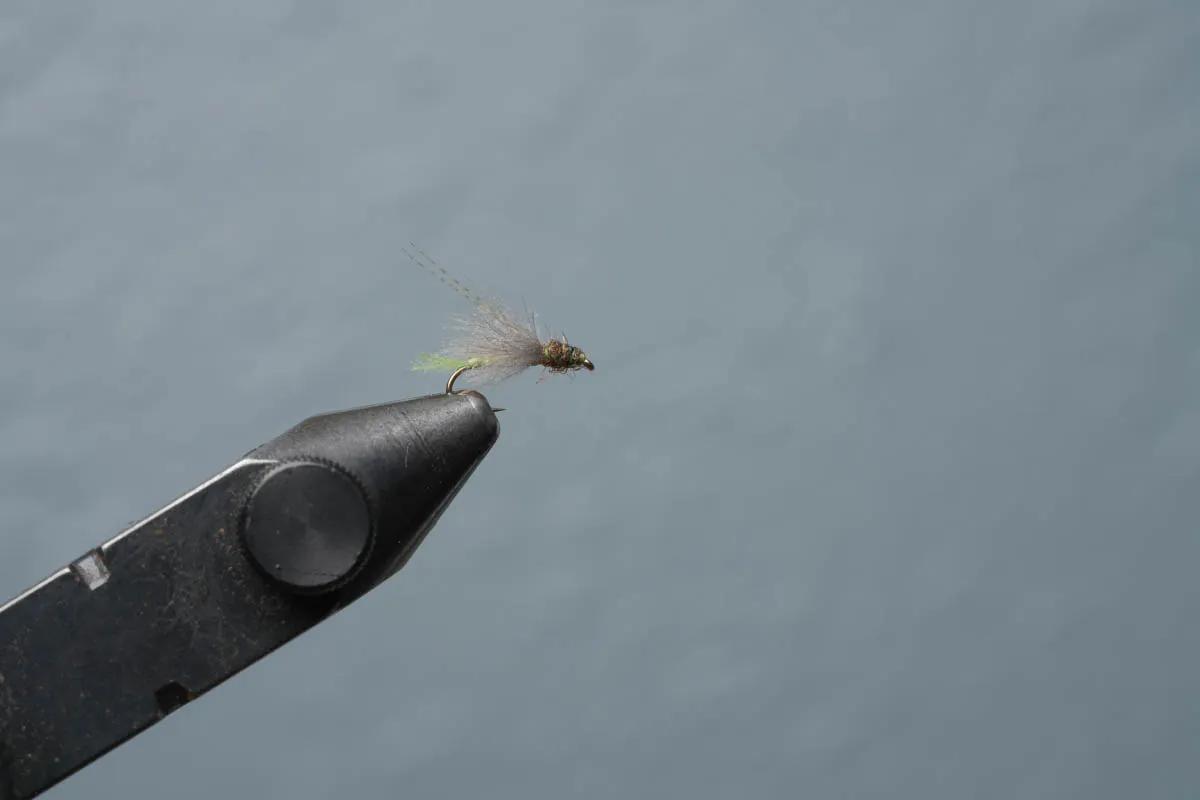
CDC Caddis Emerger. This fly is so simple, yet it catches so many fish. Used primarily during a strong caddis emergence, the CDC and the trailing shuck give this simple fly some very real, life-like characteristics. This fly can also be fished as a nymph as part of a two-fly rig or as a dropper as part of a dry-dropper rig.
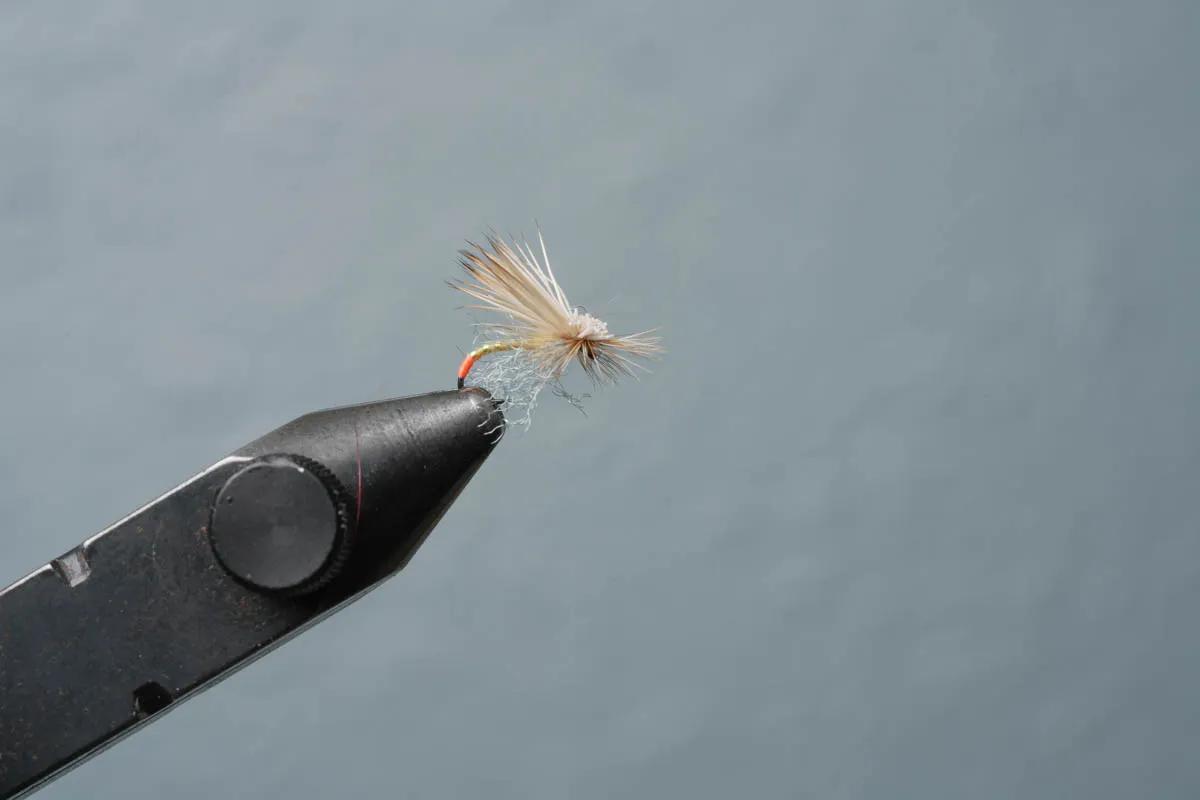
Missing Link Caddis. Tied with both an Elk Hair wing and a sparkle underwing and contrasting color body, this pattern can be used as both an adult caddis and an emerging caddis.
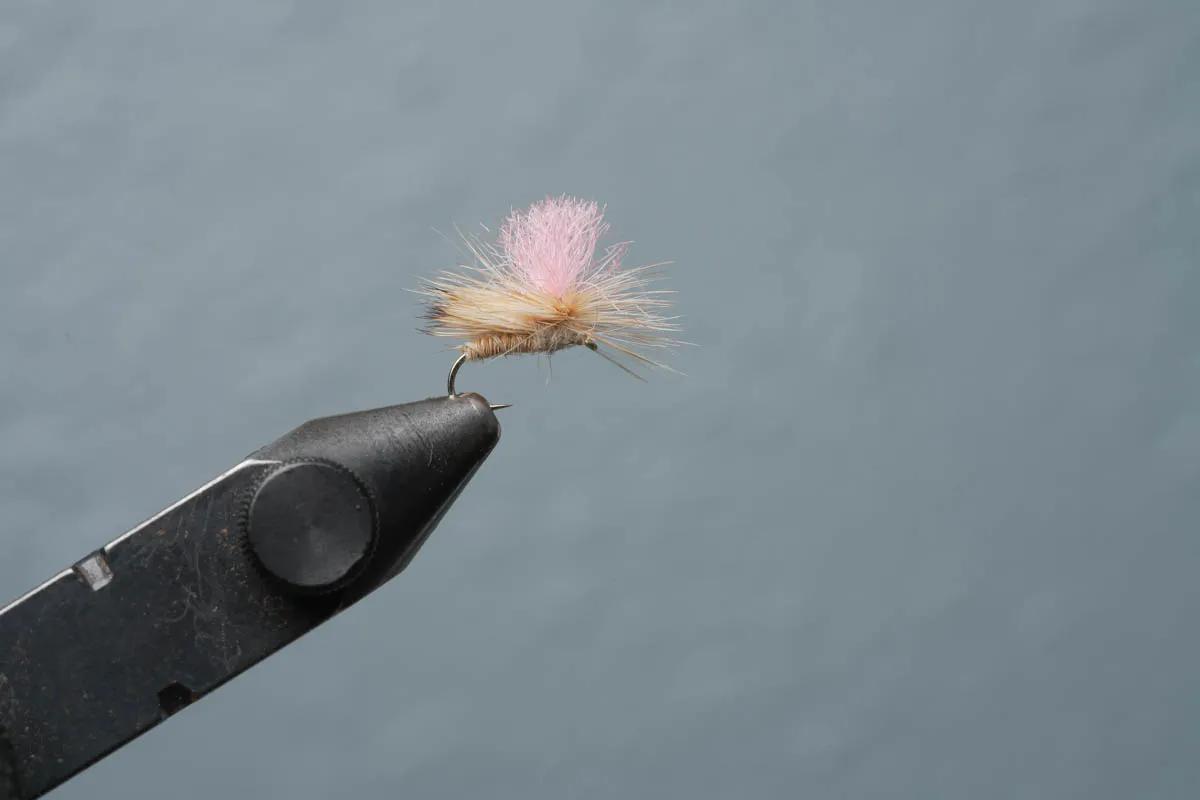
Bloom's/Hi-Vis Caddis. Tied with Elk Hair and a post, the Hi-Vis Caddis is ideal for fishing adult caddis. Because the Elk Hair wing is tied backwards at an angle, the profile sits a little lower on the surface, making it ideal for flatter waters like spring creeks and tailwaters, but the hi-vis post also makes it easy to see in riffles or faster pocket-water type streams.