

What does it take to be a great angler? Is it a 10-pound trout on 6X? Catching two permit in one day? Or, matching the hatch when a trout is sipping size 24 dry flies on a spring creek? Accomplishing all three of these--however rare or amazingly difficult they may be--doesn't necessarily make someone a great angler. Those anglers that are considered great can catch fish under any circumstance and with seemingly minimal effort. Of course, there are benchmarks of accomplishments to strive for, such as a tarpon over 100 lbs, a taimen over 40 inches long, or landing a 10-pound brown trout in gin clear water that you stalked, cast to, caught, and landed. These are worthy feats indeed, but a fish caught is a fish caught, no matter the size. Whether you are in Cuba, New Zealand, Chile, or Montana you can use these Four Super Easy Tips to Catch More Fish.
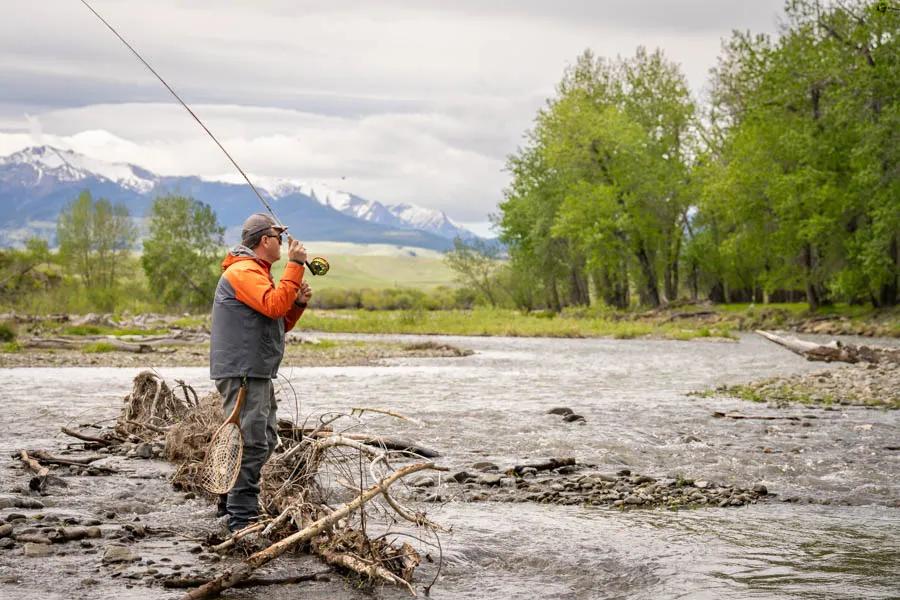
Stay Out of the Water as Much as Possible
In most situations where you are fly fishing for trout, it is a good idea to wade in the water as little as possible. Even on Montana's Madison River where the current never seems to run slow, trout can be easily spooked. Trout have a very keen sense of vibration caused by a lateral line running almost the entire length of their body. Trout can feel vibrations in even in the roughest of waters. When approaching a stream for the first time do not wade into the water until you fish the water closest to you. Experienced anglers often might fish all day long and never wade deeper than their calves or knees, except when crossing a stream. By staying out of the water as much as possible, this ensures you can fish a lot of water but also means you do not prematurely spook any trout--because a spooked trout often runs to hide and in doing so spooks more trout.
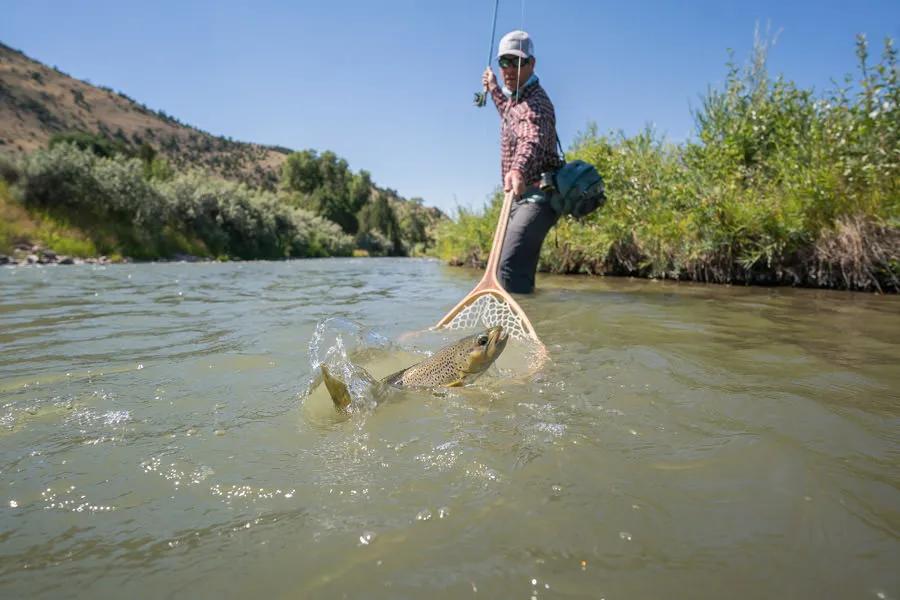
Using a Net is Easier on You and Almost Always Easier on the Fish
A net is an extension of your arm so a hooked fish is that much closer to being landing if you can get closer to the fish. There are some anglers who argue a net is harmful to fish--that it removes a fish's protective slime and that it can contort large fish into odd positions causing internal damage. There is some truth to both of these arguments, but there are nets made of soft rubber that do remove protective slime and allow for less handling of the fish and there are nets that are large enough that even large fish are not put in awkward positions. On many rivers throughout the world from Argentina to Montana's Paradise Valley Spring Creeks, most professional fishing guides use a net. But a net allows you to keep the fish in water as much as possible--the number one cause of fish mortality in hooked fish is how much time they spend out of the water once landed. Ideally a landed fish is never taken out of the water, but the reality of our sport is that people are going to photograph fish. A net allows you to land a fish sooner and it allows you to keep the fish in the water at all times except for the quick moment you raise it to take a picture.
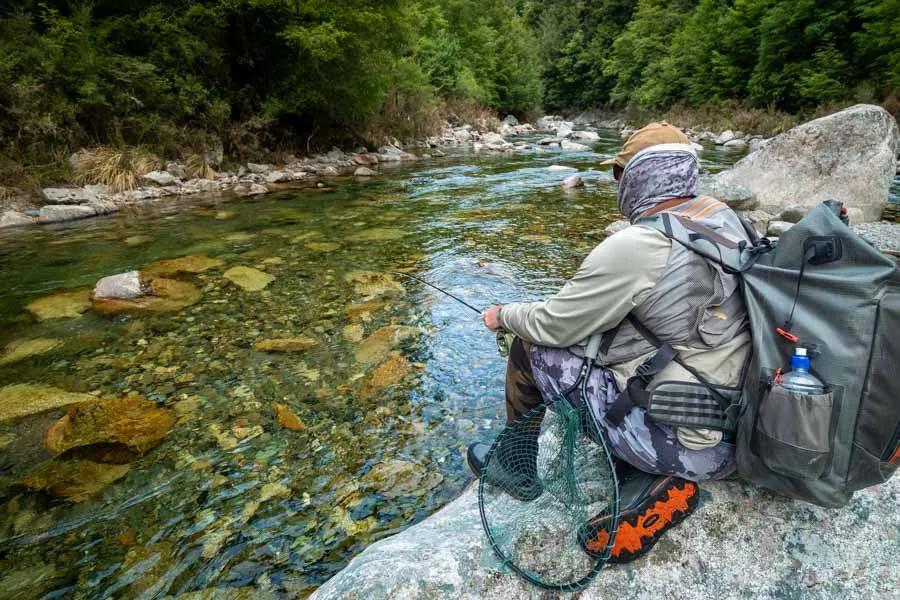
Slow Down. Stop. Take a Look. Then Make a Cast.
The best anglers are often the most patient. They allow a situation to unfold rather than busting into the stream, throwing casts into the air, and making drifts to whatever looks the best. An impatient and shotgun style approach is one way to fish for sure, but if you want to catch more fish you must slow down and take a pause. Even drift boat guides on a river as large as the Missouri River in central Montana often drop anchor and survey the situation--and not just across the stream, but the water that is nearest to them. When you are fly fishing, start scanning the water close within your sight range and then gradually work your way to the far-off water. Spend a few minutes studying the water and the bottom of the stream, if the water is clear enough to see to the bottom. Look for anything unusual, any dark shapes, or anything moving alternative to the current. Do not rush this part of the fishing process--this may be the time when you spot the largest fish in a hole or run or keep a smaller fish from spooking where you plan to fish.

Better Fishing Through Chemistry: Embrace Floatants, Powders, and More
Fishing is often what we do to get away from the distractions of technology. From a backcountry trip to the wilds of Yellowstone National Park or the Bob Marshall Wilderness, we often go fly fishing in an attempt to get away from the hustle of convenience and advancement. However, when it comes to getting the most out of your flies, using a little bit of the latest technology is a bonus-the latest chemistry can be beneficial in bringing more fish to hand. Follow this five-step method and your flies will be working hard for you.
1. Pre-treat your flies. Pre-apply with a liquid floatant, or at the very least, allow the fly floatant time to coat the fly before casting.
2. Dry your flies during fishing. Between drifts always make a few false casts, which allows the fly to dry off.
3. Blow dry your fly before shaking and reapplying floatant. If you’re really into it, carry a small can of compressed air and dry your fly before reapplication.
4. Shake out any excess water. Use any of the granules, powders, or shakes available on the market.
5. Reapply the appropriate floatant. Once you have followed all of these steps you are ready to get back in the game.
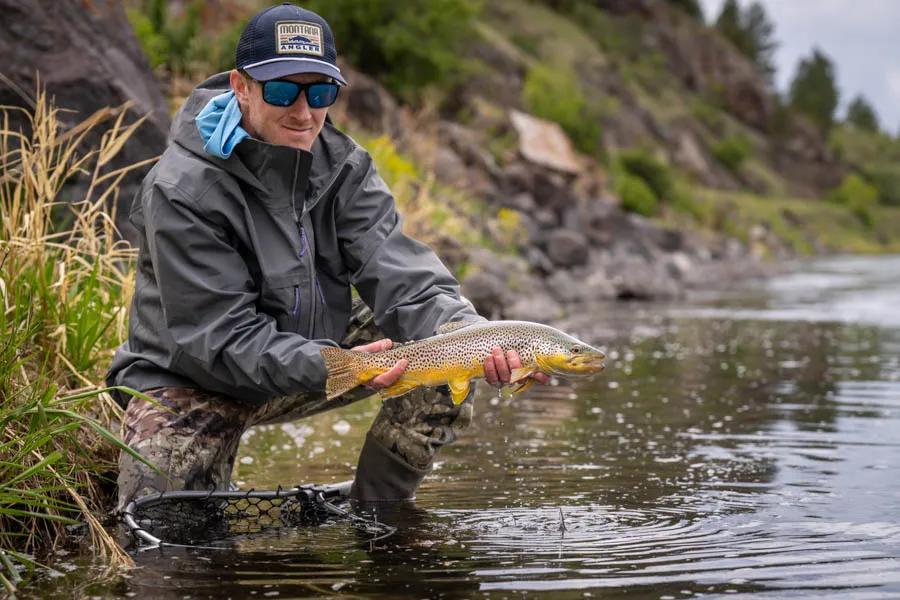
An appeal of fly fishing lies in its simplicity. Whether you are in Patagonia or Montana, at its core, you are trying to fool one fish with one fly, and on one cast. The fly fishing tips above are simple tips to help you catch more fish and the improvements in gear and accessories also help your odds of bringing more fish to hand. The lighter, more sensitive yet more powerful fly rods that are being made make it easier to land that reach cast or drop a fly an extra ten feet further, or use tungsten to weight a fly to get it to maximum depth as quickly as possible. But, remove all of the improvements and high-level gear and strip fly fishing down to just an angler and a fish, these four simple tips can be accomplished whether you have the most expensive gear or the family hand-me-downs.