

Even the most experienced angler will tell you that one of the biggest appeals of fly fishing is that there is always something new to learn or a new place to fish. In our area, we’re lucky to have abundant access to both float and walk-and-wade fishing options, and many of these waters offer both. If you do not own a boat, you probably know someone who does, or you could consider hiring a Montana fly fishing guide for a float trip. For some of us who own boats, we are often a little selective in who we allow to row them downstream. At Montana Angler, we can’t necessarily choose your fishing companions--unless you book and request a fly fishing guide--but we can offer some insight on rowing and wading. The choice is yours.
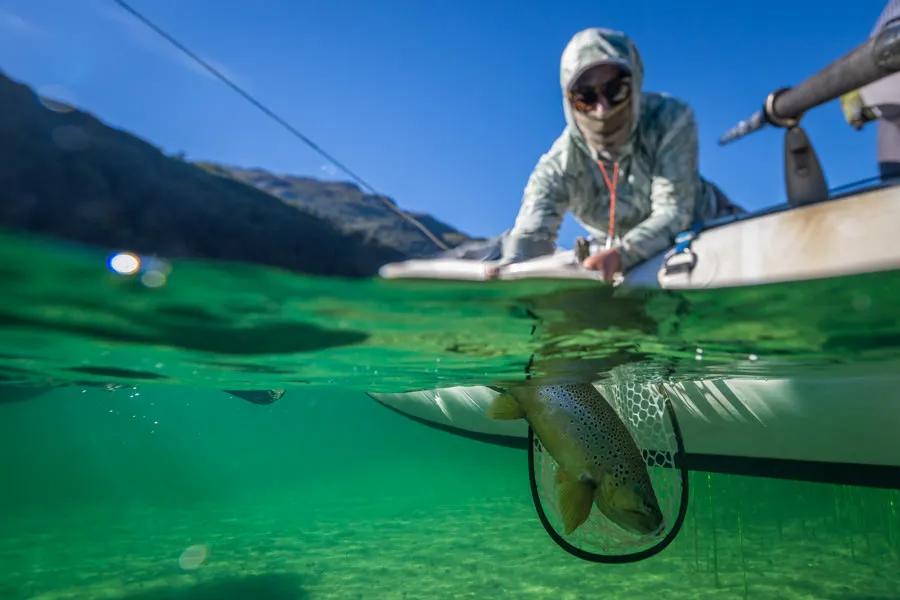
Float-fishing Often Means Better Opportunities for Bigger Trout
Floating large rivers like the Yellowstone, Madison, or Missouri is often a Montana fly fishing guide's top choice for big trout. They are mostly right...with a few exceptions like the Madison River inside Yellowstone National Park in the fall. Tailwater rivers like the Missouri River near Helena and Great Falls, Montana, are often known for producing large fish. Tailwater rivers have consistent flows compared to freestone rivers, and the consistency often means more bug life, which often means trout can feed a lot more. Many Montana fishing guides say fish where the big fish are known to be, and you’ll find them, whether on foot or in a boat.
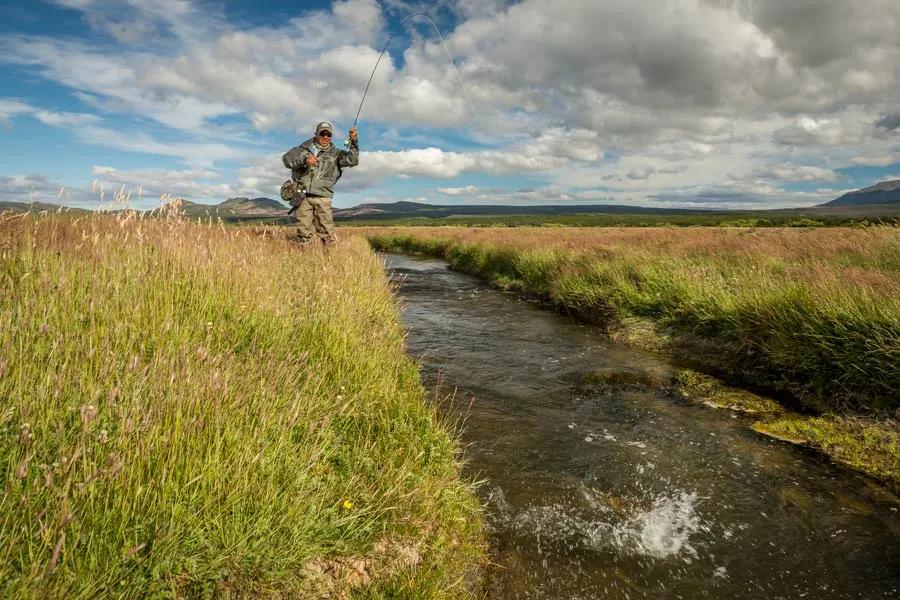
Being a Predator is Easier on Foot
When you add global fly fishing destinations to the list of places to land big trout, walk-and-wade fishing takes the cake nearly every time. New Zealand's ten-pound browns, Patagonia's Tierra del Fuego, and Alaskan fly-out fishing trips are home to some of the planet's largest trout, and most of these fisheries are fished on foot. The one exception: Mongolia's massive taimen fly fishing is often exclusively float fishing. Whether float fishing or walk-and-wade fishing, there are certain things you must have. Have a quality pair of polarized sunglasses. Improve your casts and focus on shorter or more accurate casts, or target specific fish if you’re sight-fishing. Walk slowly when approaching a stream because noise, not visual disturbances, spooks fish first. Check out this video for tips to fish with more stealth.
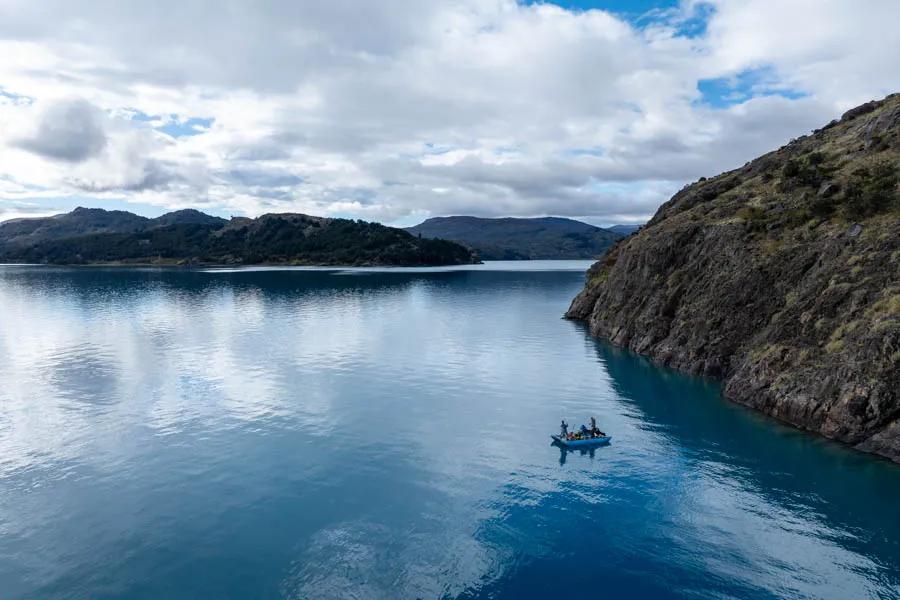
When Fishing From a Boat, You're Mostly Prospecting
On most fly fishing trips, when fishing from a boat, your casts are not always directed to specific fish. Of course, there are times when you are sight-fishing or hunting for specific fish, for example, when anchored and fishing to rising fish, such as on the Missouri River. When float fishing, a lot of it is planned to cover water and get your fly in front of as many fish as possible. In a boat, you have distinct advantages: Your profile is higher, so vision and obtaining a good drift are easier; a boat allows you to bring more gear to fish a large variety of methods, like having a nymphing rod rigged and ready; and you’re often with another angler, so two methods can be used.
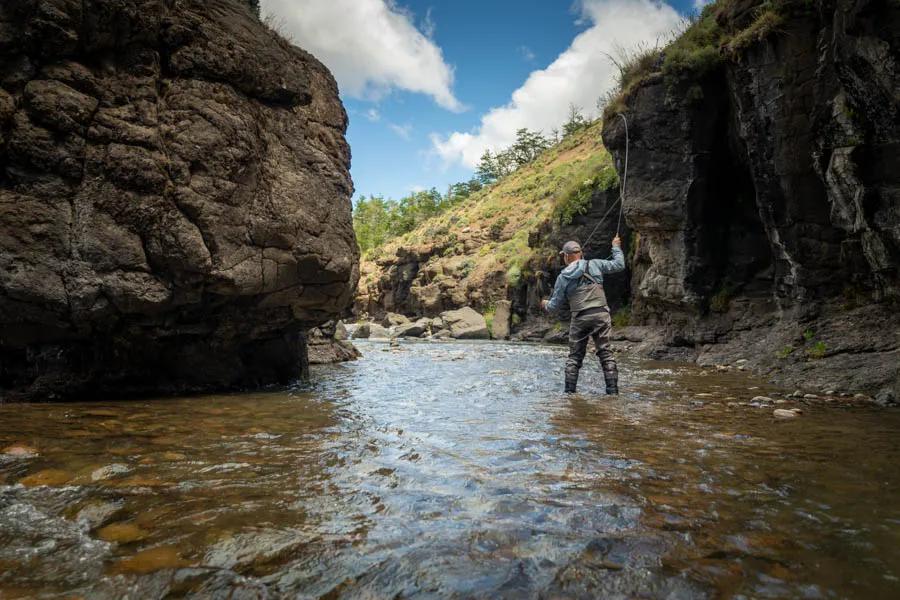
Walk-and-Wade Fishing Can Feel More Connected
When going walk-and-wade fishing on a Montana fly fishing river, it is often you, the river, and the fish. If you are fishing by yourself and not with a Montana fly fishing guide, all of the decisions and all of the success (or failures) are yours. If you are fishing with a guide, you still have to do most of the work--you have to get your body in the right position, cast well and accurately, get the appropriate drift, set the hook at the right time, and fight the fish appropriately to land it. Even if your fly fishing guide directs you, you still have to get the cast in the right spot. How long and how effective a drift you obtain is up to your skill level. And, any fish caught are a result of your own skill, being in the right place at the right time...or sometimes just being lucky.
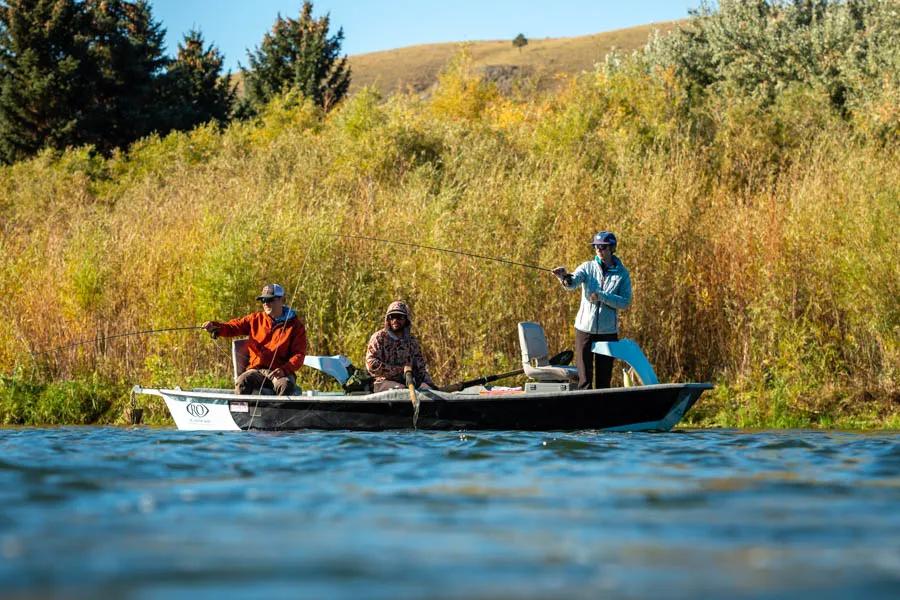
Float Fishing is More Social than Walk-and-Wade Fishing
This one is simple math--when float fishing, there is at least one other person in the boat with you. When you are walk-and-wade fishing, it is rare two people can fish the same run, hole, pocket, etc at once, so walk-and-wade fishing trips are often a little more of a solo endeavor than float fishing. Anglers can fish together while walk-and-wade fishing, but they often trade off fishing good spots or work together netting hooked fish, which can be helpful if you are trying to land a really big trout. When float fishing, the most successful float fishing outings are when the rower and anglers have a team attitude. Anglers cannot fish effectively if the boat is floating too fast or too slow or if it’s in a poor position. Positive “boat mojo” results from anglers and rowers working together and being excited when a fish is caught, regardless of who catches it.
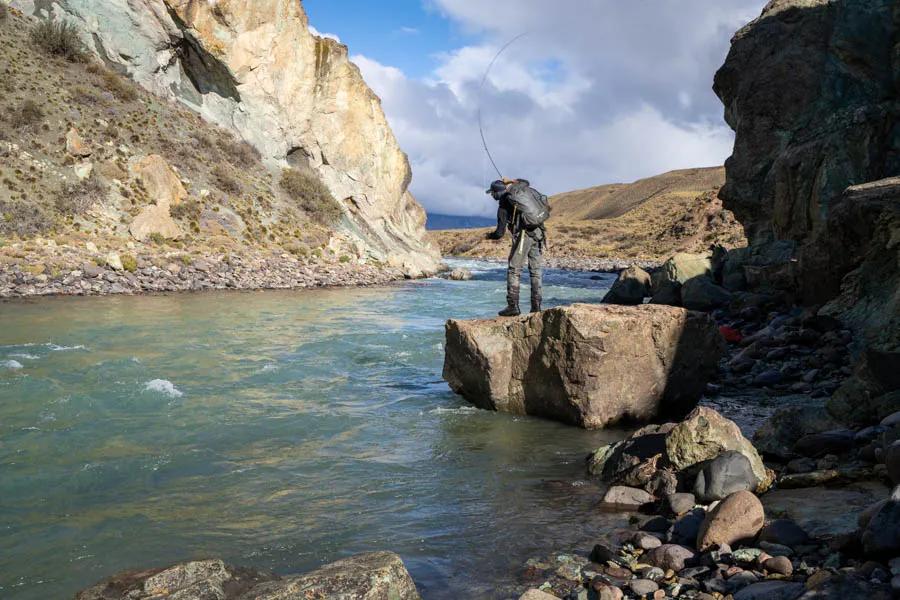
Safety is Sometimes a Consideration
Whether you choose to float fish or walk and wade fish might depend on streamflows and river levels. It is always a good idea to wear a wading belt regardless of the water levels and practice safe walk-and-wade fishing techniques. When floating or wading, always use caution and only float a river on which you have experience, or go with someone who does. Call your local fly shop and get info first – freestone rivers change during high water, and what a river looked like last year could be different from this year. Never wade in water in which you cannot see or feel the bottom unless you have knowledge of the river, and never fish alone in high-water conditions.
Planning a fly fishing trip--either for a day trip with a fly fishing guide or a Do-It-Yourself or for a multi-day all-inclusive--will most likely include some walk-and-wade fishing and some float fishing. Experienced anglers often gravitate to one method over the other...but the most important thing is that you go fishing!