

The Smith River is Montana's penultimate overnight river camping and fishing trip. The primary fishing season on the Smith River runs from late spring through early summer, and then again in September and October. Of all the months of fishing on the Smith River, May is the most dynamic. With pre-, during-, and possibly post- runoff fishing all occurring in May, fly fishing the Smith River in May can be some of the best of the season. With proper planning and the right attitude, a fly fishing trip in May on the Smith River can be one of the best trips of the year. Even though fishing is often the focus of the trip, the scenery and the overall high-quality experience often outmatch the consistently good fishing. The river's unique management system has created one of the West's most coveted overnight camping and floating trips, but even with this carefully managed wild trout fishery, understanding the moods and methods of the Smith River requires substantial knowledge. Here is our Guide to Fishing the Smith River in May.
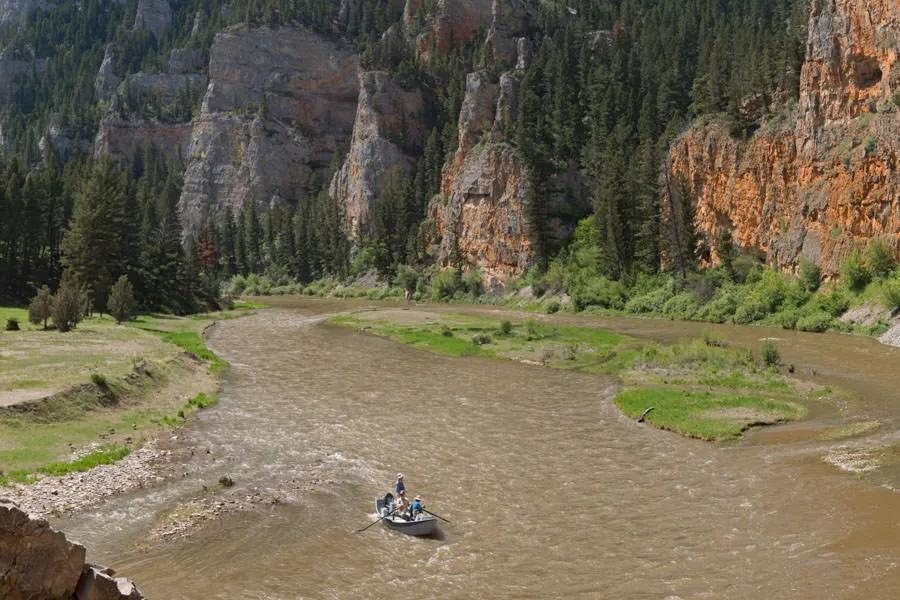
Runoff or Pre-Runoff?
When thinking about planning a trip in May on the Smith River, hatches of Blue-Winged Olives, caddis, and stoneflies immediately come to mind. But, just as quickly as the Smith River in May can be a massive buffet of prolific hatches, localized weather can result in the start of snowmelt runoff. Or, the weather in May can be relatively consistent, and snowmelt runoff doesn't factor into a fly fishing trip on the Smith River. May on Montana’s remote Smith River is a month of variety of fishing action, weather, and streamflows. Featuring a range of daily high temperatures, fishing conditions follow suit and change rapidly. For many Smith River veteran anglers, May is the favorite month of the angling season. However, if snowmelt runoff commences or large amounts of precipitation fall, causing a rapidly rising river, it may be a few days before the trout adjust and resume prolific feeding habits, but that doesn’t mean they cease feeding—Smith River trout continue to feed in conditions deemed unfishable on many other rivers.
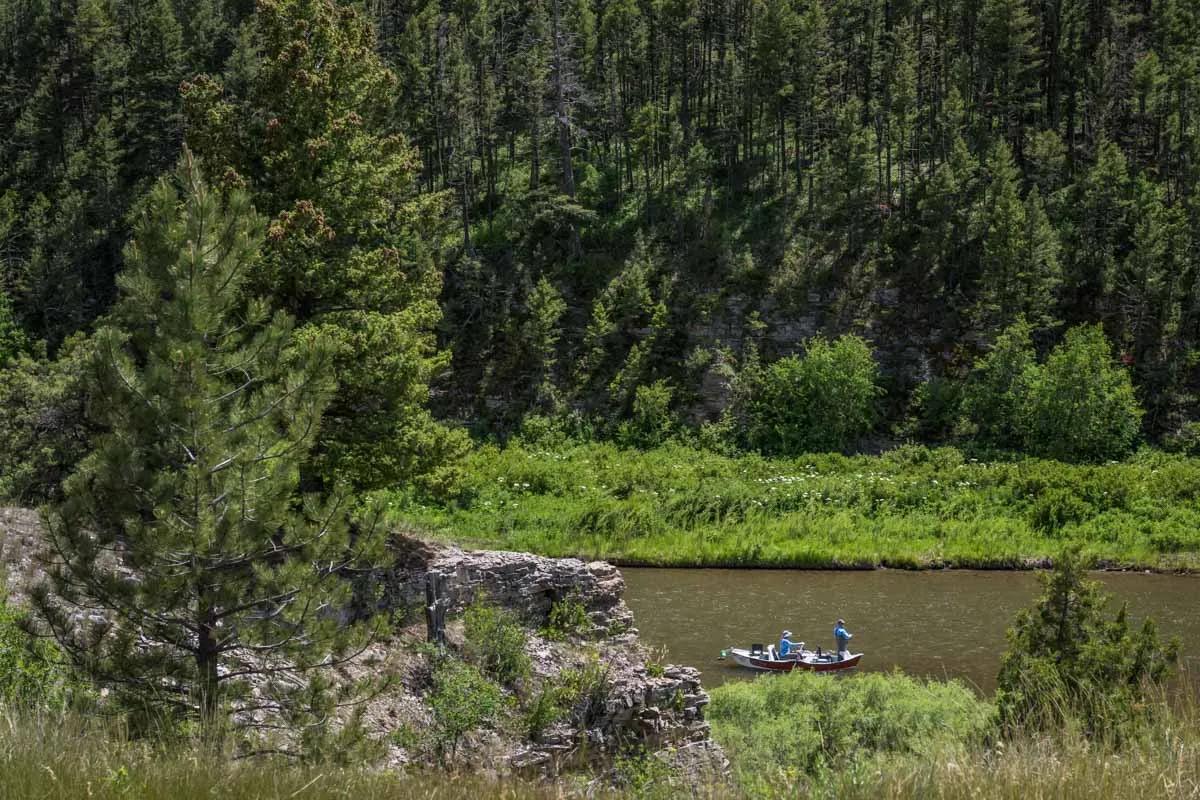
Early May
In most years, early May on the Smith River is pre-runoff. The Smith River is unique when compared to many of Montana's other freestone rivers. Even when not in runoff, the Smith River runs muddier than most rivers, but it doesn't affect the fishing because Smith River trout are used to dirty water. The toughest conditions in May occur when the river is rising rapidly, due to hot weather or heavy rains commencing runoff. In the first half of May, moderate increases in river flows occur regularly and are generally tolerated well by the trout. It can be a great time to fish if the Mother's Day caddis hatch is happening. If the river is rising fast and gaining hundreds of cubic feet per second of added discharge from one day to the next, trout are forced to adjust their feeding lies, and they become harder to find. Year-in and year-out, predicting these rapid increases in flows on the Smith River is nearly impossible, but in most years, the transition from pre-runoff to full-on runoff mode can occur at any point during the month of May.
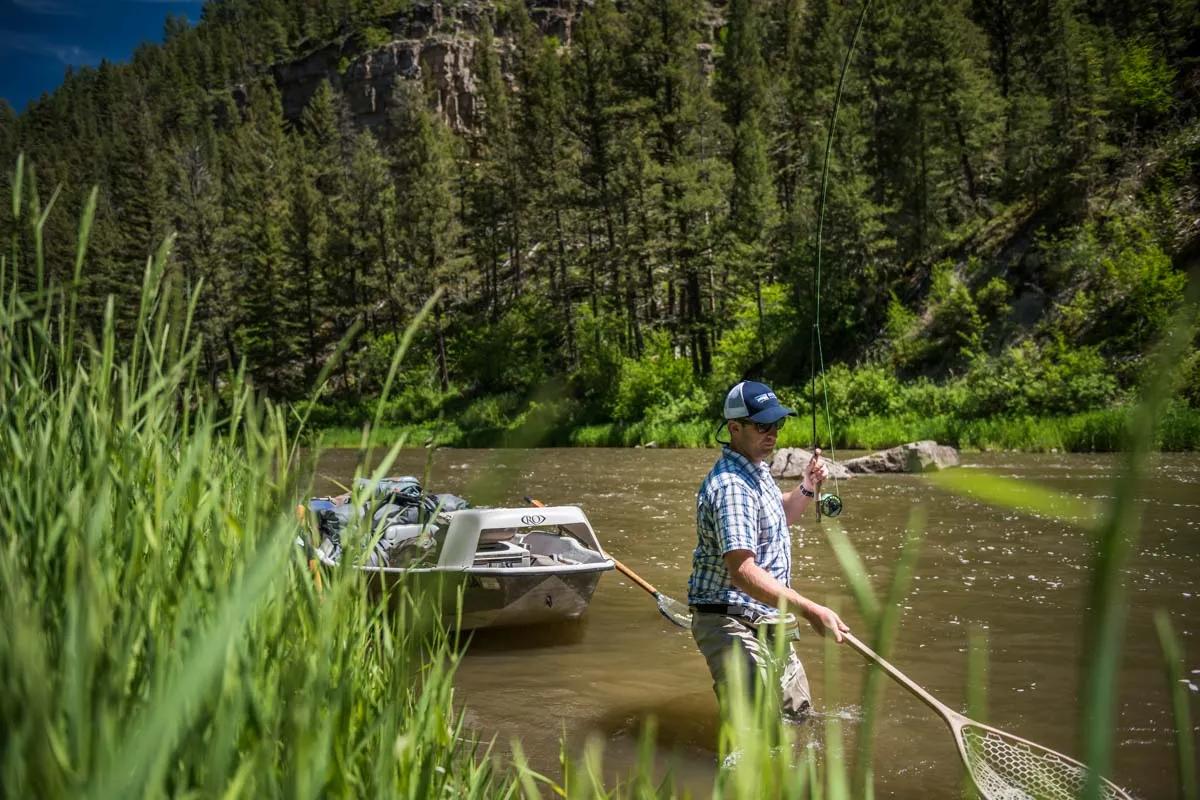
Mid May
The middle ten days or so of May can be some of the best times on the Smith River to find large trout. Even if flows are gradually rising, the amount of food available to trout is some of the most abundant of the year. As hatches of salmonflies and Golden stoneflies begin, the nymphs become more active. The Smith River's large populations of crayfish also provide a large amount of food for hungry trout. Additionally, because May in Montana is one of the wettest months of the year, many land-based insects can also be found in the river, such as earthworms. A worm is a large chunk of fat and protein for a trout, so if you plan to fish in May on the Smith River, be sure to have some worm patterns in your fly box. If a large ran event occurs in mid-May, flows can rise rapidly. This may cause the fishing to slow down for a day or so as the trout adjust to higher flows, but rarely does the river become so high that it is unfishable.
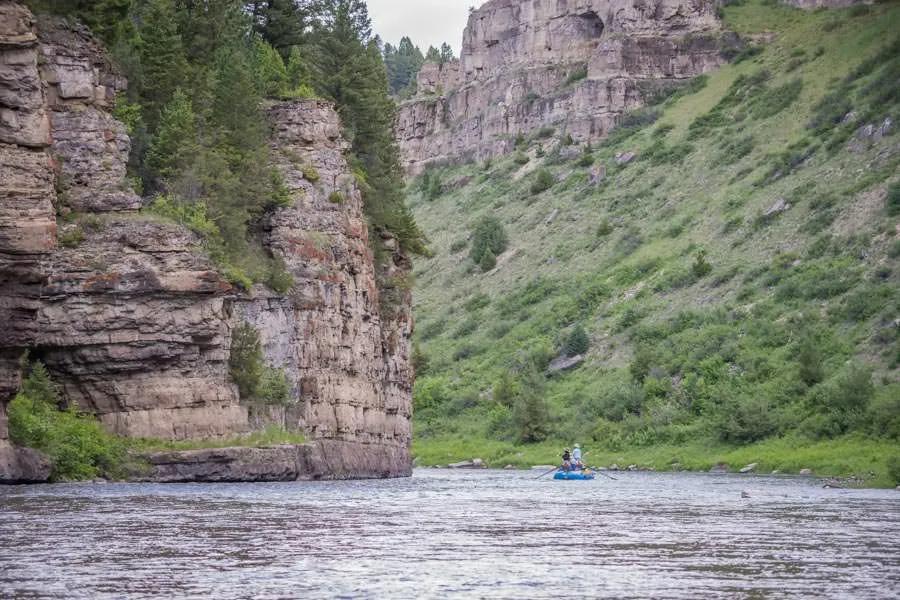
Late May
By late May, the Smith River snowmelt runoff has typically peaked, and flows stabilize or gradually begin to drop. Snowmelt runoff can last several weeks, and in some years, runoff hasn't fully subsided until mid-June, but because Smith River trout feed in water that is deemed dirty by most standards, the fly fishing in late May on the Smith River is rarely affected by snowmelt runoff. Similar to earlier in May, a large rain event can cause the river to rise rapidly. Persistent anglers can find fish in these challenging conditions, but within a few days, the river begins to drop again, and hatches of caddis and stoneflies commence again. In some years, late mean is the ideal time for dry fly anglers because salmonflies are abundant along with caddis and stoneflies; but in some years a prolonged or late snowmelt runoff doesn't begin until late May, but because Smith River trout feed in dirty water and gradualy rising flows, anglers on the Smith River can still find plenty of trout using subsurface tactics.
Reading Water in May
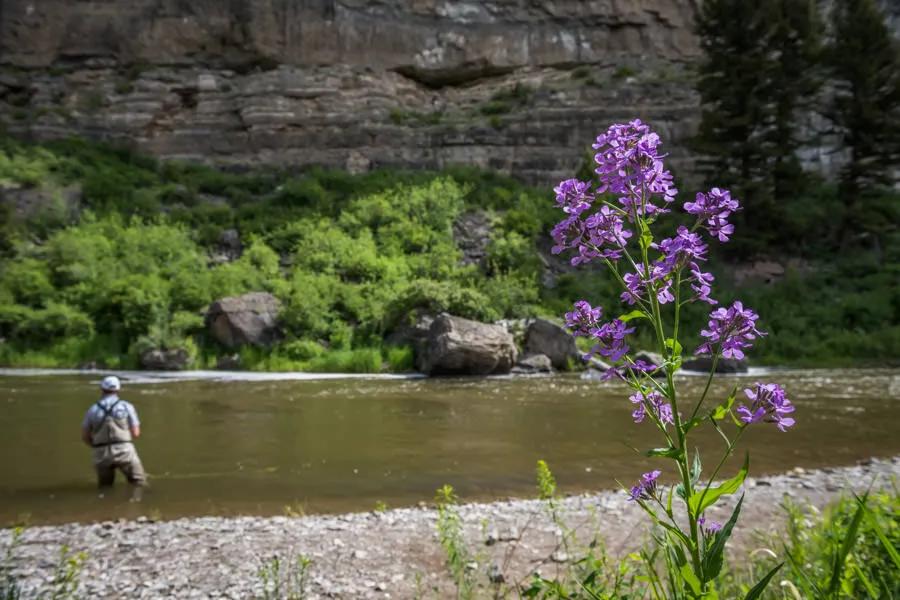
The water to target in May depends entirely on the condition of the river. During May, rising flows and muddy water can be quite common, but Smith River trout feed in muddy water. In fact, some of the best fishing on the Smith River occurs during times of muddy water, so rarely does a day exist in which trout cannot be found. In most conditions, target the currents along the towering canyon walls, but during the higher—and often rising flows—of May, most of the Smith River’s trout prefer the slower water downstream of a canyon wall or the soft inside bend across the river from the faster current along the wall. If hatches of salmonflies, Drakes, or caddis occur, trout can be found near bank-side structure and foam lines created by mixing currents or other structures. In these slower waters, look for rising trout. During a hatch of caddis or Drakes, target slower currents, eddy lines, and seams behind rocks. For salmonflies, focus on bank-side structure, willows, eddylines, and foamlines. If a hatch doesn’t occur and the river has rising flows and muddy water, target slow eddies, foam lines, and any soft water near structure with subsurface nymphs. Trout will be in lies where they can enjoy access to food floating by without spending too much energy swimming in heavy, rapidly rising streamflows.
Hatches and Flies for May
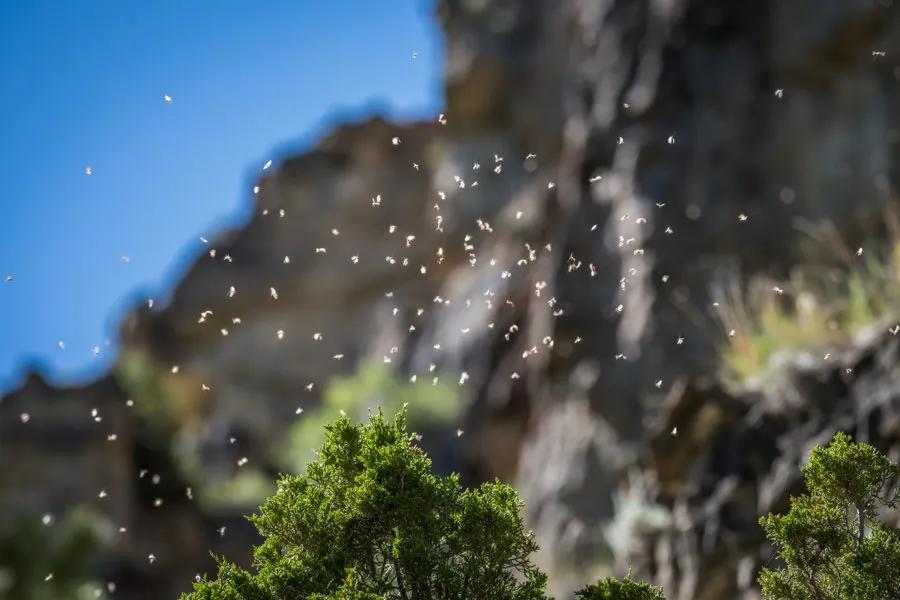
May can be a busy month for insect activity on the Smith River. Anglers on the Smith River in May hope to find hatches of salmonflies and caddis. The famous salmonfly hatch happens earlier on the Smith than on other Montana waters, with the peak of the emergence in mid-May. Dry-fly fishing over the salmonfly hatch depends on the stability of the flows, though. Oftentimes, the water temps that coincide with the hatch sync with rising flows, so trout are usually targeting the large nymphs. On days where the weather is cool but stable and still warm enough to keep the hatch going, lucky anglers can experience some amazing dry-fly fishing by casting huge foam patterns along the cliff walls. Early in May, the Mother’s Day caddis hatch can occur in the same timeframe as its namesake. Unless above average temperatures or above average rain occur, the Mother’s Day caddis hatch is a reliable early May hatch. In addition to salmonflies and caddis, May hatches on the Smith River include Golden stoneflies, Yellow Sally stoneflies, a few Blue Winged Olive mayflies, and Brown and Green Drakes.
Flies for May
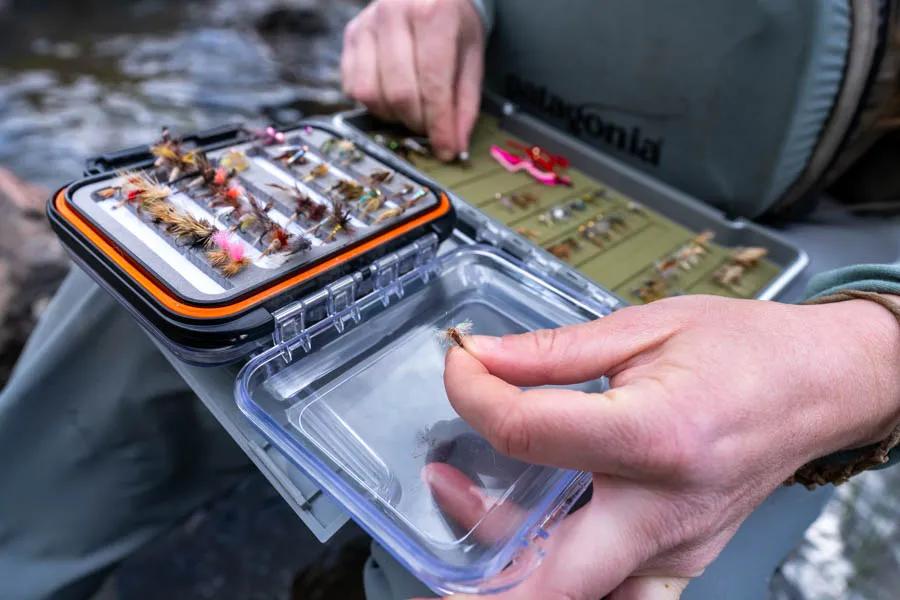
Smith River fly box for May
Stonefly nymphs in brown and black in sizes 8 through 10
Salmonfly dry flies in sizes 4 to 8
Golden stonefly dry flies in sizes 6 to 10
Yellow Sally stonefly dry flies in sizes 10 and 12
Sculpin patterns in sizes 2 to 6
Streamers in olive, black or brown in sizes 2 to 6
Caddis pupae size 12 to 16
Caddis CDC emergers size 12 to 16
Caddis dry flies with dark grey, black or brown bodies in size 12 to 16;
Grey and Brown Drake dry flies in sizes 10 to 16
Grey and Brown Drake nymphs in sizes 10 to 16
Grey and Brown Drake emergers in sizes 10 to 16
BWO dry flies size 14 to 18
BWO emergers size 16
BWO nymphs size 16
March Brown dry flies size 14 to 16