

We’ve all been fly fishing and seen that happy trout sipping dry flies beneath a bridge. The fish is often a big fish and will generally spook or stop feeding the moment our shadow crosses over the water near his lie, leaving us wondering what might have been and what lurks in the shaded flows below. Whether you are fly fishing in Montana, on a backcountry trip in Chile, or just going on a fly fishing day trip, bridges can provide an exciting variety of opportunities to catch fish.
Bridges create a variety of benefits for trout. Pylons and supports form structure and breaks in the current where trout can feed and hold position. Shade cast by bridges keeps trout cool and protected from avian predators. And the funneling effect at bridge crossings directs bugs and other food sources to waiting fish.
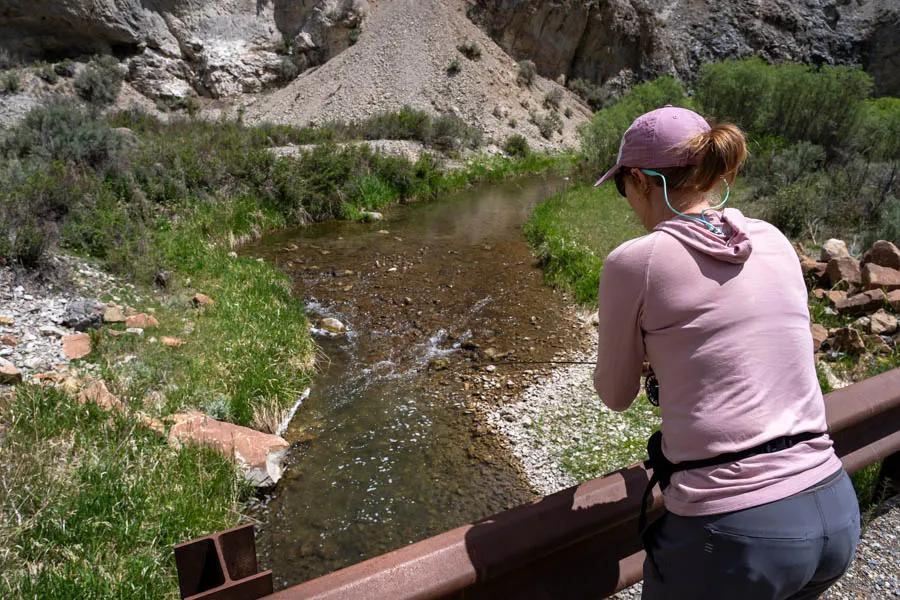
But bridge trout can also be notoriously difficult to catch. They’re fished for by many anglers, and they are wise to our ways. The bridge itself can make casting difficult or impossible. And if you do hook up, they’ve got plenty of tricks up their sleeve to make your job as an angler difficult. With all that in mind, here are five tips for increasing your odds when targeting bridge fish.
What is the best way to approach a stream
Take the same care approaching bridges as you would fly fishing a spring creek with wary trout. That means being conscious of your shadow and walking with a light step.
When you approach a bridge, look first on the downstream side of the structure. Watch for rises and movement to identify fish. Target trout on the downstream side of the bridge before committing to the upstream side as trout will often hold in both locations. If you fish the upstream side of the bridge first, you’re likely to spook fish downstream, limiting your opportunities.
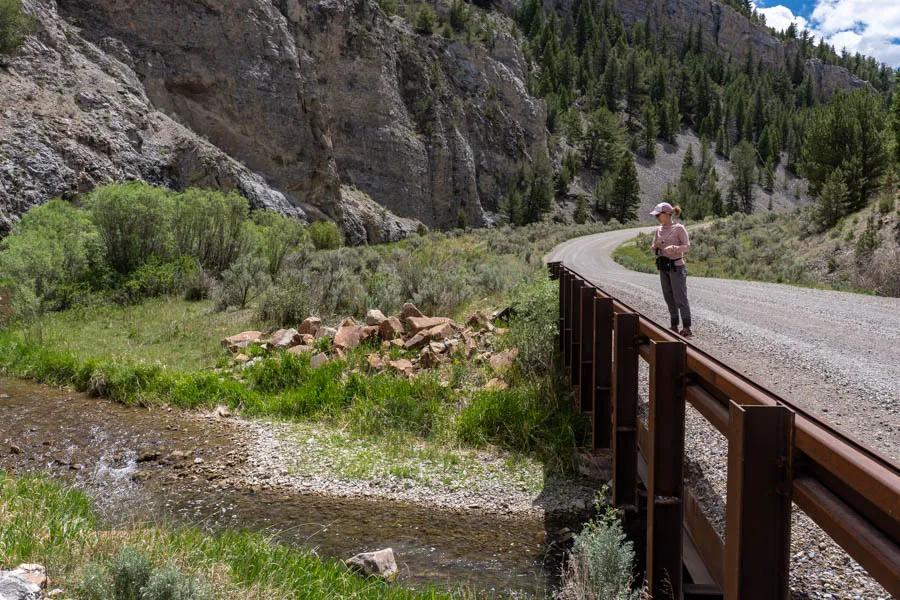
When looking for trout from the top of a bridge, take a wide approach and peek over the edge slowly to spot trout. Be sure not to cast your shadow on the water. Trout are always looking up, and if you show yourself, the game is typically up.
Bridges are rigid structures that transmit vibrations. While they are frequently crossed by rumbling pickup trucks, trout somehow seem to know when an angler is near. Walk with a gentle step to avoid sending vibrations into the water and alerting trout to your presence.
What is the best plan for fly fishing from bridges
Bridges, whether you are fly fishing in Montana, Argentina, or elsewhere in the world, fish have a few advantages trout found in other parts of the stream do not. Support structures and the bridge itself are obstacles trout will use during the fight, and that anglers must contend with. Having a plan for how you intend to land your targeted fish is essential before you make a cast.
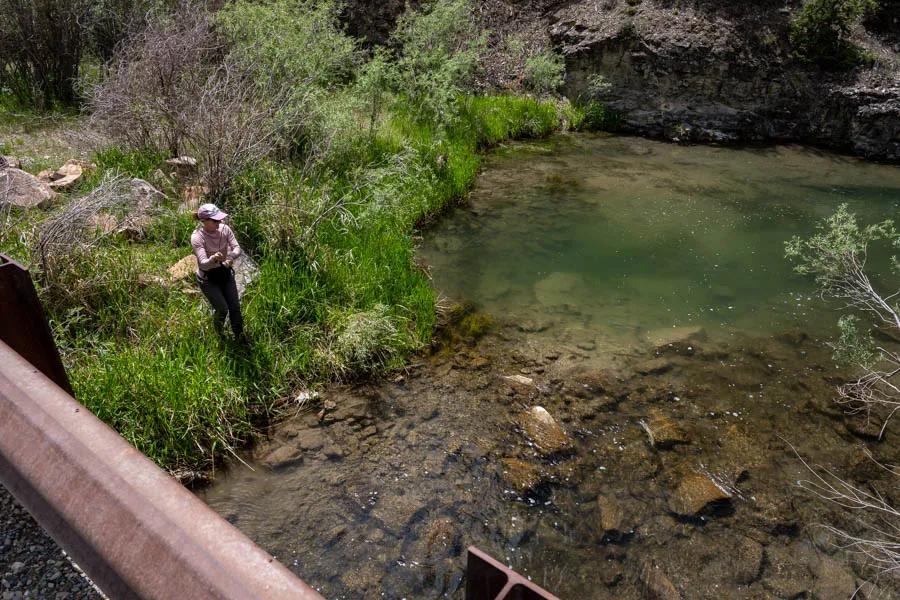
Assess the situation first by finding a safe path to the water to fight and land your trout. Bridges are often surrounded by large boulders, signposts, and fences that can be challenging to navigate, especially in a hurry. Sometimes bridges are buttressed by wooden gates or barbed wire. Make sure you’ve got a good path to the water and that you can get there quickly.
Consider your cast and try to predict what the trout will do if you hook up. Once you’ve got your plan in place, select your fly and make a cast.
How do I fight fish when fly fishing near bridges
Bridge fish will most often run for cover beneath the bridge. It’s their typical flight response to threats and you can bet they’ll head for the shaded depths the moment you hook up. That means your rod is going to be bowed over the edge of the bridge fighting them, something like a saltwater fishing when your quarry barrels under the skiff. It’s a precarious, potentially rod-breaking predicament to find yourself in, and one best avoided.
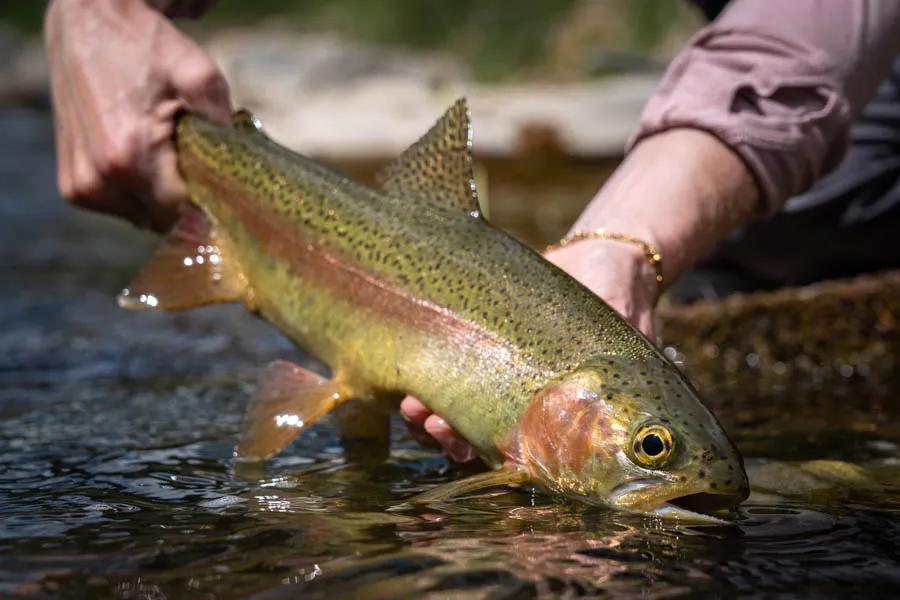
Your job as the angler is to quickly respond to the fish. Regardless of where you hook up or what the fish does, the first thing you should do is get to the water. Keep your rod tip high and let the fish take line until you are in an advantageous position.
Once you’ve reached the water, put pressure on the trout to keep it from wrapping your line around pylons and supports. Try and fight the fish quickly as bridge fish will often use these elements to shred your tippet and free themselves.
Why fly fishing with a partner is a good idea
Having a fishing companion can be a huge advantage when targeting bridge fish. Not only can they help you spot and keep eyes on a fish as you position yourself for a cast, but they can help land that trophy trout that lurks under the bridge.
Once you’ve spotted a trout and readied yourself to cast, communicate with your partner to determine the perfect time to cast. Watch what the fish is doing. Is he rising to dry flies rhythmically or is he searching the creek picking off nymphs? Ask your partner to describe what’s going on and have them alert you to a strike.
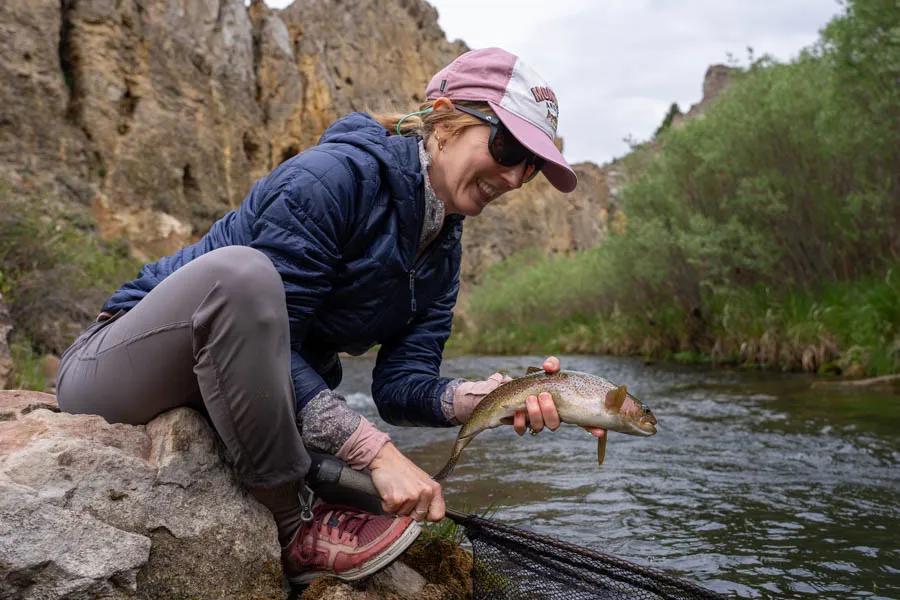
Things can get crazy when you hook into a bridge fish and handing the rod off to a partner is often the best way to navigate the situation. While tag-teaming trout is rarely the norm in fly fishing, it is a fun and practical way to end up with a fish in the net. The handoff can really help in situations where a trout peels line off quickly and getting to the water proves challenging.
Finally, a partner can net a fish and help release it quickly. While this is always important while trout fishing, its two fold when bridge fishing as the added obstacles bridges present mean extended fights often result in lost trout.
Safety and knowing stream access laws are very important when fly fishing near bridges
Make sure you’re in a safe place before fishing on or near a bridge. Bridges that cross trout streams in rural Montana or on ranches are great places to target trout. Casting from a busy roadway with semi trucks barreling by is not.
Take note of stream access laws and regulations. While most bridges in Montana are fine to fish from or near, not all are. If you are not allowed to fish from a particular bridge, there will typically be a sign prohibiting angling. Follow the law.
And remain aware of your footing and surroundings. Many of the bridges you’ll encounter over trout streams in Montana lack guardrails. While you may feel secure when you’re making a presentation to a fish, things can change quickly once you’re hooked up.