

When fly fishing in Montana comes to mind, world-famous rivers like the Madison, Missouri, and Yellowstone immediately top the list of where to go fly fishing in Montana. These rivers contain clear, cold water that is ideal for several species of wild and native trout. Montana fly fishing has deservedly gained a reputation for offering some of the world's finest angling for wild trout on a variety of rivers, creeks, and lakes. It is undisputed that visiting anglers come to Montana in search of pristine waters, large trout, great hatches, and unparalleled scenery.
But is there another opportunity for anglers who enjoy sight-fishing to feeding fish? Yes! It is fly fishing for carp.
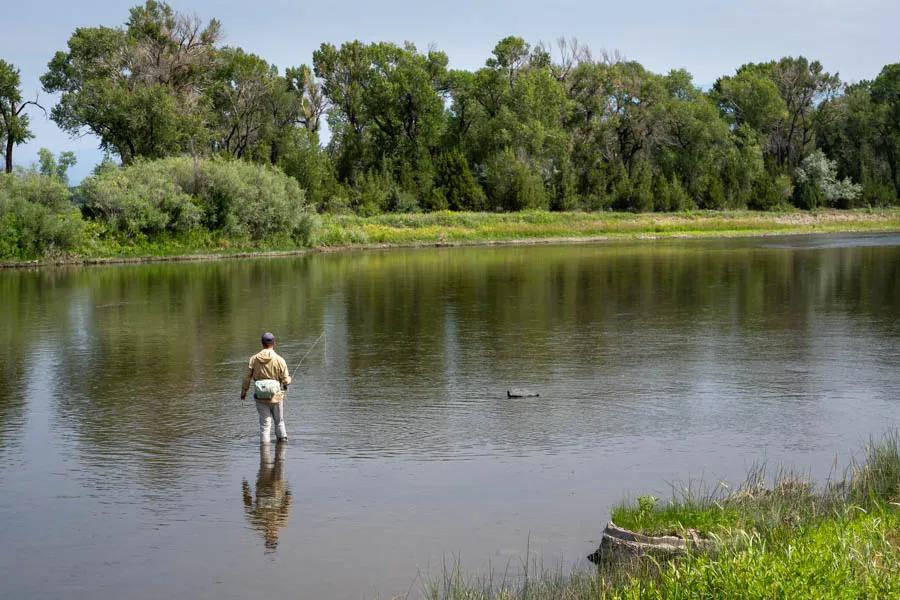
Where and When to Go Fly Fishing for Carp in Montana?
Although most of the famous trout rivers in the state are too cold for carp, several reservoirs and a few of the larger rivers, such as the Missouri River upstream of Canyon Ferry Reservoir, are home to carp in abundance. When fishing here in late summer, it is common to see hundreds of carp during the course of the day, each between 5 and 15 pounds. The allure of catching 15-pound fish on hoppers in August is so exciting that quite a few local guides and outfitters forego chasing trout in late summer and prefer to go "carping" a heck of a lot more than they do fly fishing for trout.
When is the Best Time to Go Fly Fishing for Carp?
Carp fishing is best done on hot summer days while fly fishing in Montana when the fish are more active. Sunny days are best because in order to catch carp, you must see them before they see you. Cloudy days produce a glare on the water that makes visibility much more difficult. While floating in drift boats, the oarsman lines the boat up to pass by shallow, slow-water flats on the edges of gravel bars. The casters fire flies to spotted fish. This is best done in the middle of the day when the sun is at its highest point.
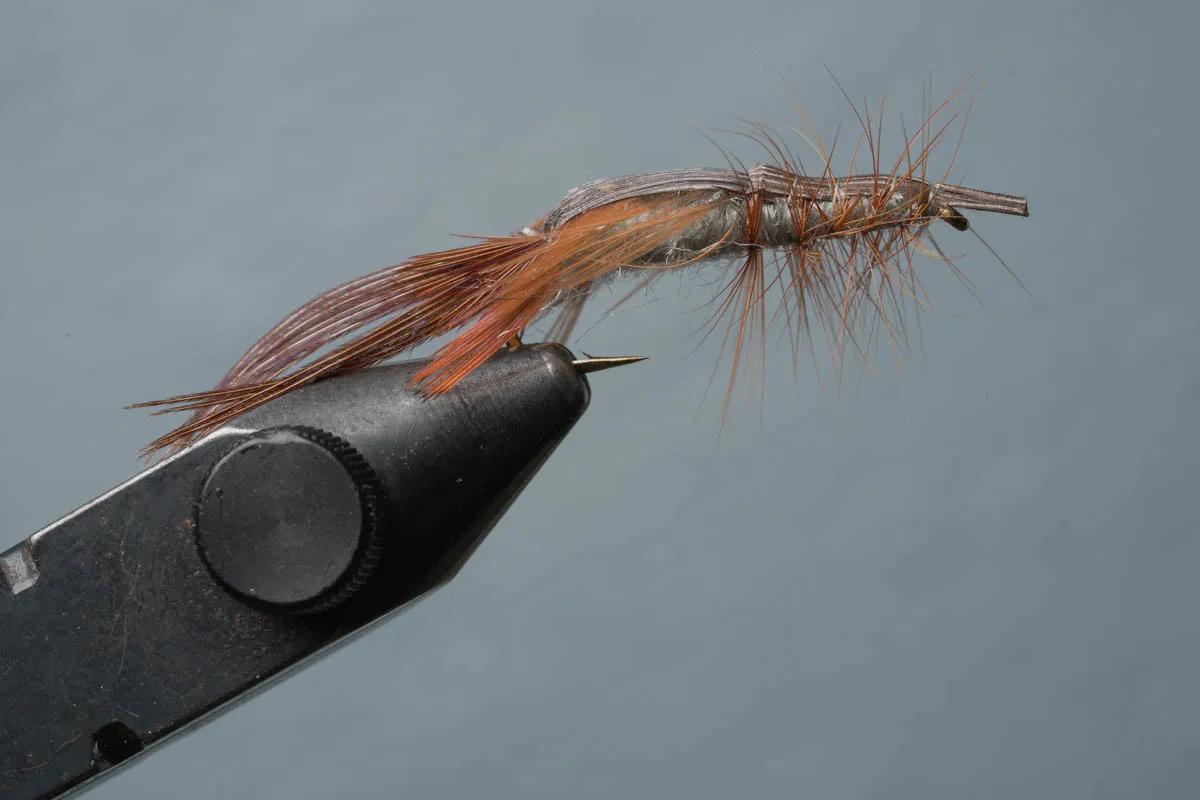
What are the Best Flies for Fly Fishing for Carp?
The best flies for carp are often medium brown colored patterns resembling crayfish, leeches, and sculpins. Saltwater fly fishing patterns like Crazy Charlies are also very effective. It helps to have a weighted head on the flies to help them sink fast and to keep the flies right on the bottom. A variety of differently weight flies are nice to have so you can fish different depths of water effectively. When fishing for carp in rivers, casts should be made about five feet upstream of the fish so that the fly has time to sink and drift into position. When fishing lakes, try to lead the fish if they're moving, and drag the fly right in front of their face gently if needed. Actively tailing and feeding carp are far more likely to eat a fly than cruising fish, so if you see one of them try to put your fly right in front of it as gently as possible. Once the fly is close to the fish, a slow strip retrieve frequently produces a follow and strike. Setting the hook is best done with a strip set similar to that used when fishing for bonefish and redfish on saltwater flats. Once hooked, carp always make a long, powerful run, so be ready to let the fish take some line. Dry fly fishing for carp in Montana is one of the great thrills in freshwater fly fishing, and lucky anglers may find pods of carp gently rising in foamy back eddies throughout the summer looking to eat hoppers, tricos, berries, and other floating fare.
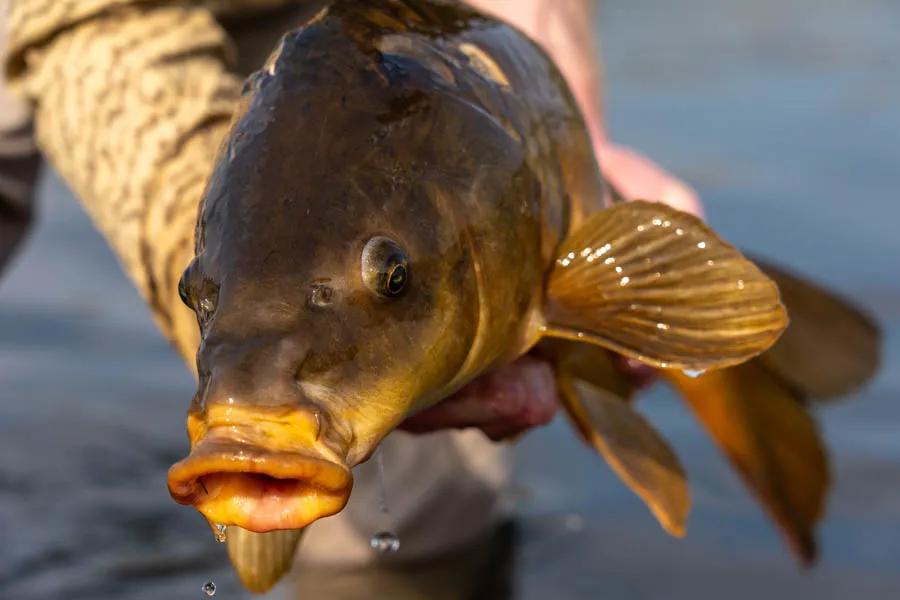
Where to Find Feeding Carp?
Carp are generally thought of as bottom feeders, but they readily and frequently feed off of the surface when the opportunity arises. Carp are especially fond of rising in giant foam eddies that occur on the Missouri River. These large eddies collect debris that is in the water, and a rich foam of organic material develops on the surface. Trapped within this foam is often a slurry of mayflies, caddisflies, grasshoppers, ants, and other insects. Large schools of up to 50 carp at a time will congregate in these eddies while feeding aggressively at the surface. Fooling these "gulpers" is harder than it looks. The fish are incredibly spooky, and all it takes is setting off one fish for the whole pod to go down. When spooked, carp release a pheromone that other carp can sense, so if you spook one fish others nearby will get spooked as well. Carp can also be caught during hopper season when they take up feeding stations along the banks of the river. A properly presented hopper cast just upstream of the spotted carp will often produce a strike.
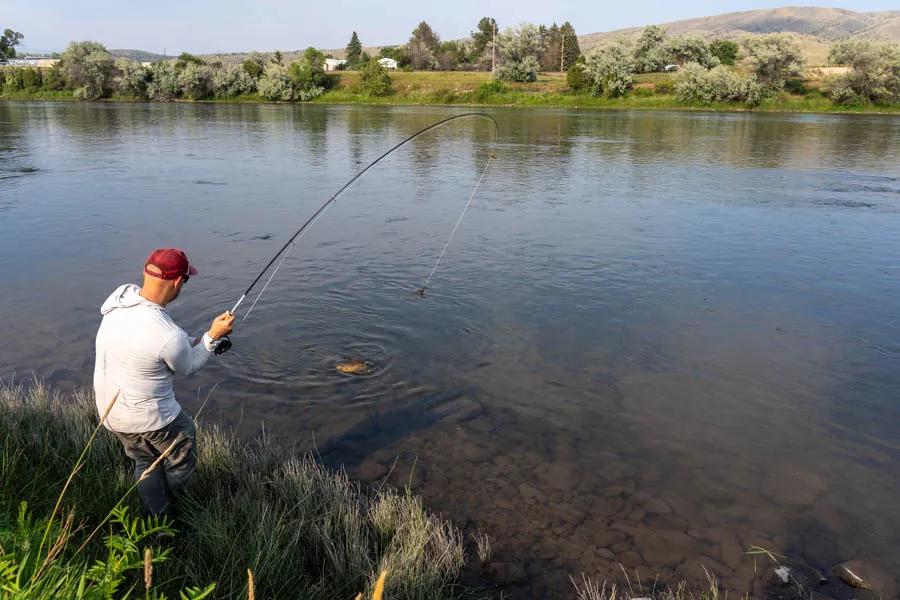
What is the Best Tackle to use When Fly Fishing for Carp?
Montana's carp are large fish, and the traditional trout fishing tackle is generally too light. Understanding leaders and tippet is crucial to success in fly fishing, and perhaps even more so when fly fishing for carp. Saltwater rods suited for bonefish and redfish are perfect for carp. A stout 7wt or 8wt is the preferred rod of choice for many local anglers and guides. The heavier rods are useful when fighting the strong, muscular fish. Leaders should also be stout; there is really no need to fish anything below 3X, with 2X the most common tippet strength. Fluorocarbon is probably not needed, but most of our guides use it just in case when sight casting to the spooky fish in clear water. Fluorocarbon should only be used on subsurface presentations and not for dry flies.
Carp have not achieved the celebrity status that fly fishing for wild trout has claimed in Montana, but they are certainly a worthy gamefish. Many of the guests that we fish with at Montana Angler at our fly fishing lodges, overnight river camping and fishing trips, or on our global travel Hosted Trips each year have come in search of terrific trout fishing on legendary rivers like the Madison and Yellowstone. Occasionally we are able to convince folks to take a shot at the golden ghost. Every client that we have ever guided on a carp fishing trip has requested to do it again on future trips!